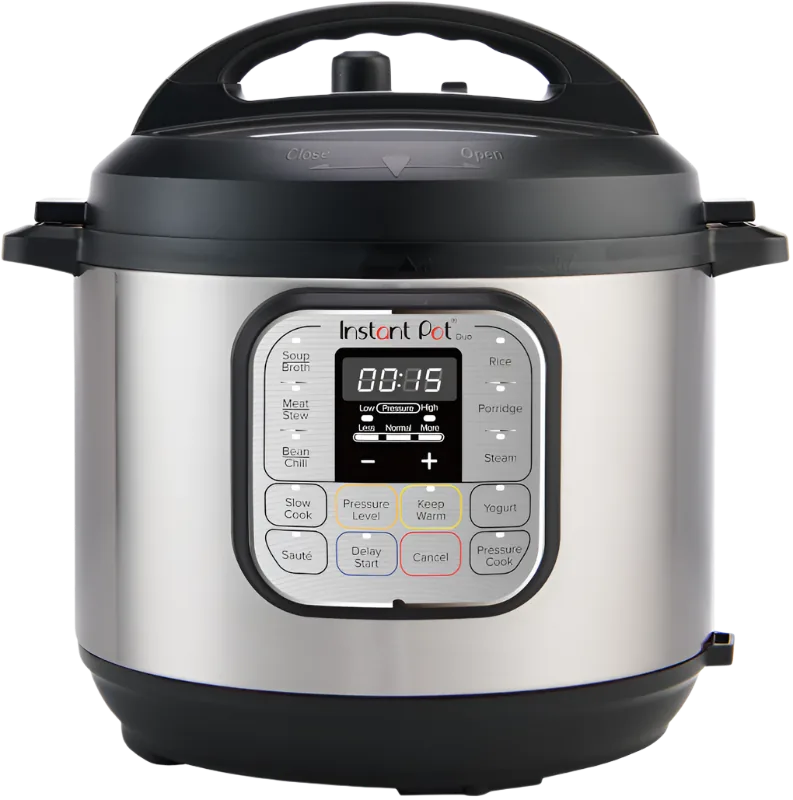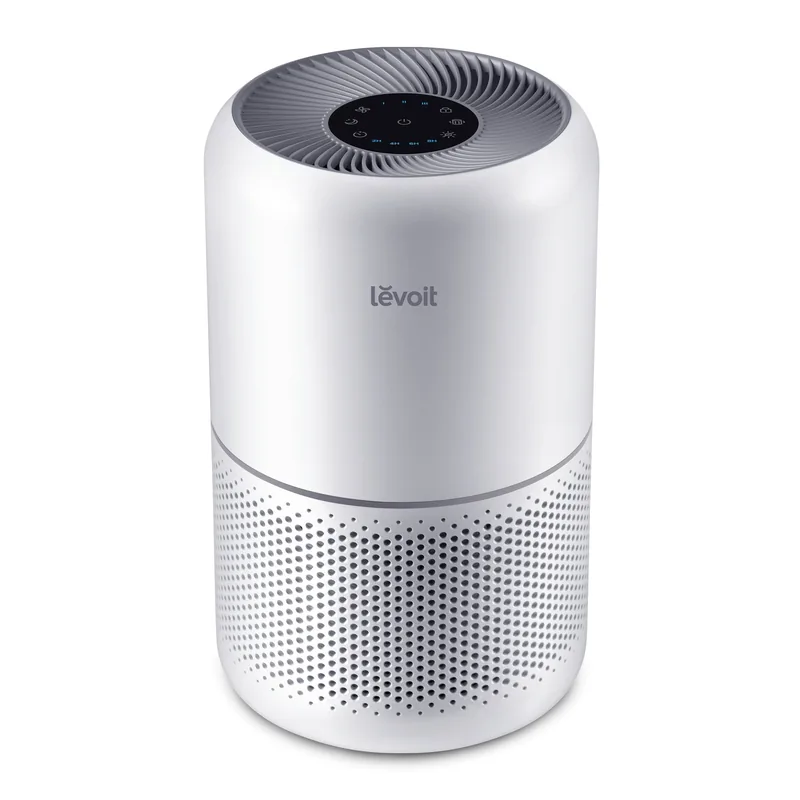
The checkout pitch usually blurs two different things into one sentence: "want to protect your purchase?" What's actually being offered is a paid extended warranty, layered on top of a manufacturer's warranty you already got for free the moment you bought the thing. They're not the same coverage, they don't cover the same failures, and knowing which is which is the first question — before you ever get to how a claim pays out.
A manufacturer's warranty and an extended warranty aren't the same product
The manufacturer's warranty comes included, at no extra cost, the moment you buy a new appliance. It covers defects in materials or workmanship — the thing breaking because it was built wrong, not because of how you used it. It typically runs 1 year, occasionally 2, and it does not cover wear-and-tear, accidental damage, or misuse. Some manufacturers require you to register the product or keep the original receipt to actually file a claim under it, a step that's easy to skip and hard to undo later.
What a store or third-party extended warranty actually adds
A paid extended warranty can add one of two different things, and it's worth checking which: more time (coverage that continues past the manufacturer's 1-year window), or more scope (coverage for accidental damage, spills, or wear items the manufacturer's warranty never included in the first place). A given plan might offer only one of these, not both — a warranty that just extends the clock on defect coverage is a very different product from one that adds accidental-damage protection, even if both get pitched with the same "protect your purchase" line at checkout.
The other axis that matters is how the plan actually pays out once you do file a claim — some pay full replacement value, others pay a shrinking, depreciated amount the longer you've owned the item. That's a big enough topic on its own; see our breakdown of prorated warranty coverage for how to check which kind you're being sold.
The credit card perk most people forget to check
Many credit cards automatically extend a manufacturer's warranty — often by an extra year — at zero cost, as long as you paid for the item with that card. It's worth checking before paying for a store warranty that might just be re-selling something you already have for free. The catch: this perk usually only extends the time axis, not the scope — it stretches out defect coverage, it doesn't add accidental-damage protection, and there's typically a cap on the claim amount plus a requirement to produce the card statement or receipt when you file.
When paying for an extended warranty is worth it
It tends to make sense when the appliance is expensive enough that a full replacement would actually hurt, your card doesn't already extend the manufacturer's coverage, and the specific plan you're being offered adds real scope — accidental damage or spill coverage — rather than just more time on defect coverage you're unlikely to need past year one. For something you'd realistically drop, spill on, or run daily (small kitchen appliances, an multicooker, an air purifier that runs continuously), that scope difference is the part worth paying for — not the extra year.
When it's probably not worth it
If the item is cheap enough to just replace outright, your card already extends the manufacturer's coverage for free, or the plan on offer only adds time rather than scope, the math usually doesn't favor paying extra. It's also worth doing basic homework on the specific product's real-world reliability before assuming you need extra coverage at all — see our guide on spotting fake reviews so that research is actually trustworthy, not marketing dressed up as feedback.
A quick checklist before you say yes at checkout
- Ask whether the plan adds time, scope, or both — "protect your purchase" doesn't tell you which.
- Check if your credit card already extends the manufacturer's warranty for free before paying for the same thing twice.
- If it pays out on a claim, find out whether that payout is full-replacement value or prorated — this changes what the "coverage" is actually worth by year two or three.
- Read what's explicitly excluded, not just what's covered — wear items and cosmetic damage are common exclusions even on plans marketed as "full protection."
The takeaway
Buying protection for an appliance is really two separate decisions: whether to pay for extended coverage at all, and — if you do — what you're actually getting for that money. The checkout pitch collapses both into one yes/no question, which is exactly how people end up paying for coverage that either duplicates something their card already provides, or pays out a fraction of what they expected when they finally need it. The same "read past the headline pitch" habit applies to smart home subscription traps too — different product, same pattern of a simple sentence hiding a more complicated contract.