
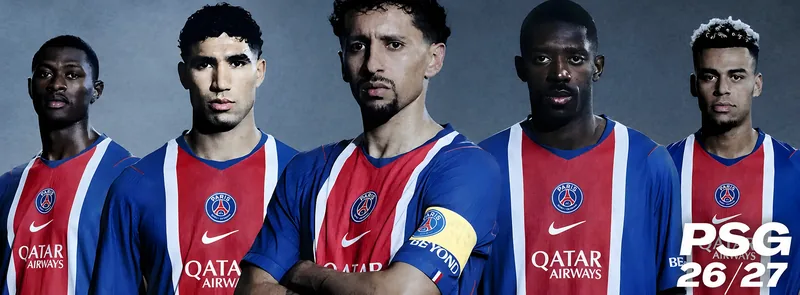
How to Choose Football Jerseys and Fan Gear
The first real decision when buying a jersey isn't which club — it's authentic versus replica. Authentic jerseys mirror the exact match-worn spec: lighter, more technical fabric, a closer athletic cut, and a higher price. Replica jerseys use a heavier, more affordable fabric and a roomier fan cut, and are what most supporters actually wear day to day. Neither is a "fake" — they're two officially licensed tiers of the same kit, and the right one depends on whether you want match-spec performance fabric or a more comfortable, casual fit.
Sizing is the single most common source of buyer's regret in this category. Jerseys are cut for an athletic build, generally slimmer and shorter than a regular T-shirt, and sizing conventions vary by brand and by season's kit design — the same "Large" from two different releases can fit differently. Check the specific product's own size chart in centimeters or inches rather than assuming it matches your usual T-shirt size, and size up if you plan to wear it over a base layer or prefer a looser fit — see our Eleven Kit FC review for what one multi-club, multi-league retailer's catalog and customization options actually look like.
If you're adding a name and number, the printing method affects how it holds up. Heat-pressed vinyl is the standard for fan customization — clean-looking at first, but it can crack or start peeling at the edges after repeated washing over a few years. Stitched (tackle twill) lettering costs more up front but resists cracking and generally outlasts a printed one. If you plan to wear the jersey for years rather than one season, that's worth factoring into the price comparison.
Kits change every season, which affects both price and availability — a current-season jersey typically costs more than a prior-season one, and once a club releases a new kit, older stock and specific player/number combinations sell out and don't get restocked. If you want a specific player's name on the current kit, buying early in the season is the practical move rather than waiting for a sale that may not include that exact combination.
Frequently Asked Questions
What's the difference between an "authentic" and a "replica" jersey?
Authentic (or "player version") jerseys match the on-pitch spec — lighter, more technical fabric and a closer, athletic cut — and cost more. Replica jerseys use a heavier, more affordable fabric and a roomier fan cut. Neither is "fake"; they're two different tiers of the same official kit. Read the full guide →
How do football jersey sizes compare to regular clothing sizes?
Jerseys generally run in an athletic, slimmer cut than everyday T-shirts, and many are shorter in the body. If you're between sizes or prefer a looser fit, sizing up one size from your usual T-shirt size is a common approach — check the specific brand's size chart rather than assuming it matches your regular size.
Will a custom name and number look official?
It depends on the printing method. Heat-pressed vinyl lettering is the common standard for fan customization and looks clean but can crack over years of washing; stitched lettering costs more and lasts longer. If durability matters to you, check which method a seller uses before ordering.
How should I wash a jersey without damaging the print or crest?
Turn it inside out, wash in cold water on a gentle cycle, and skip the dryer — air dry instead. High heat is what cracks or peels printed numbers, names, and sponsor logos over time, and it happens gradually, so the damage often isn't obvious until it's already done.