

Canivet
Professional-grade at-home dog dental care - scalers, mouth openers, and dental sprays
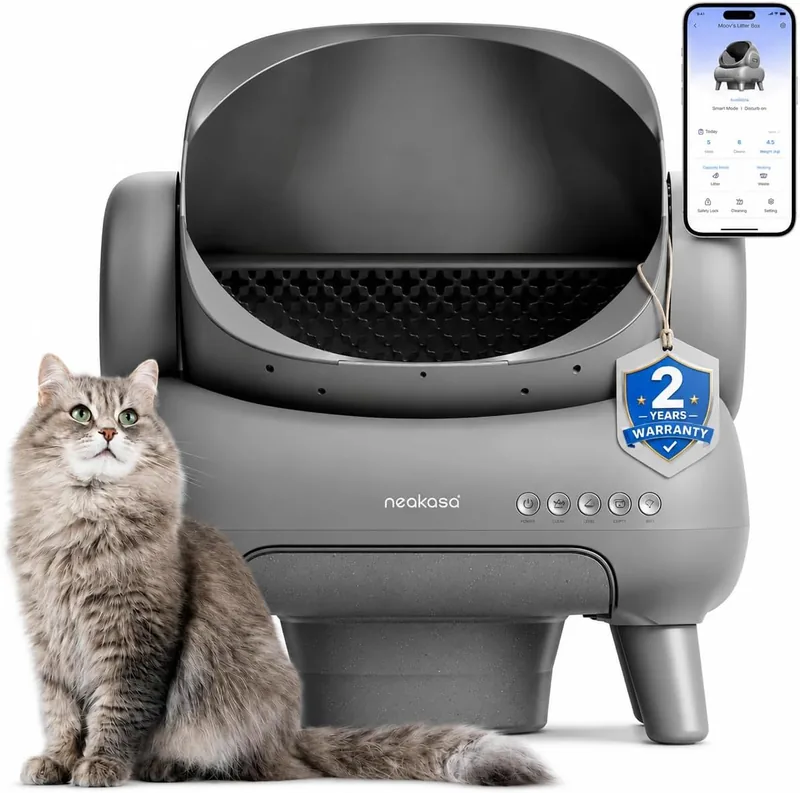
Neakasa M1 Plus Automatic Cat Litter Box
Self-cleaning litter box for cats 3.3-33 lbs and up to 3 cats, with a 2-year protection plan
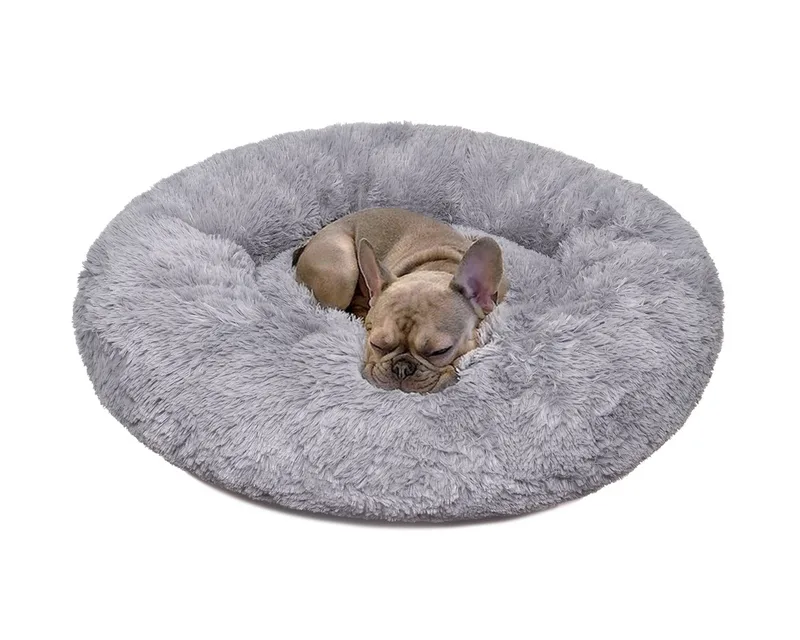
Calming Dog Beds
Anti-anxiety donut dog beds designed to help dogs settle and sleep more calmly
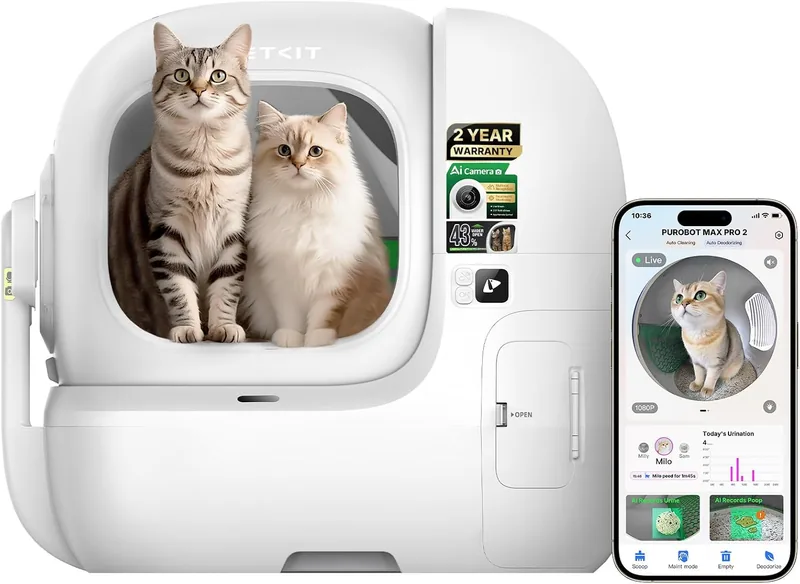
PETKIT Purobot Max Pro 2
AI-camera self-cleaning litter box with facial recognition and per-cat urine pH tracking
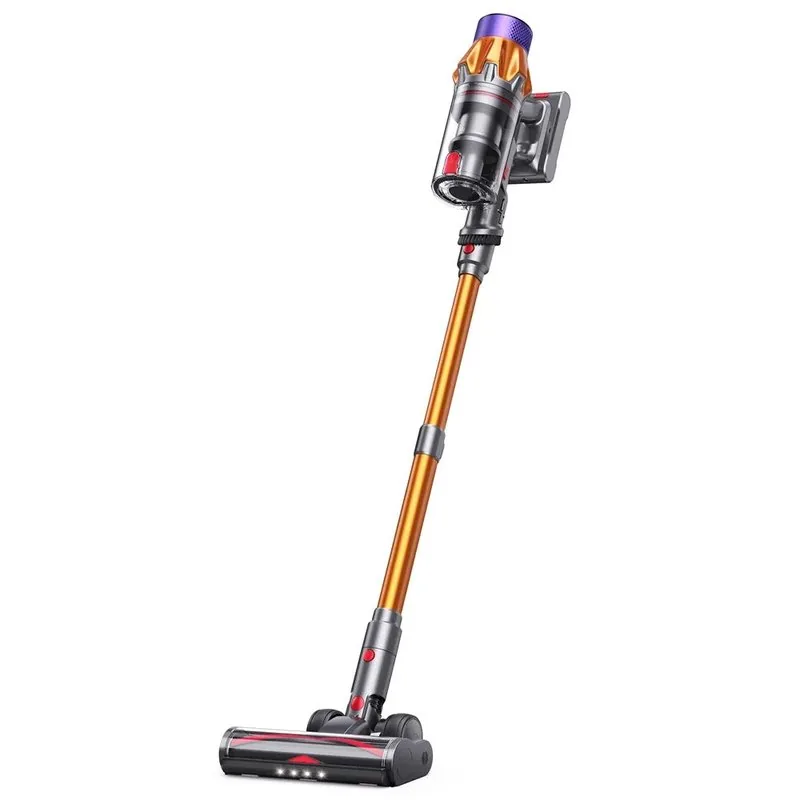
Honiture X7 Pet Cordless Vacuum
45kPa suction, pet grooming tool set and anti-mite brush bundle
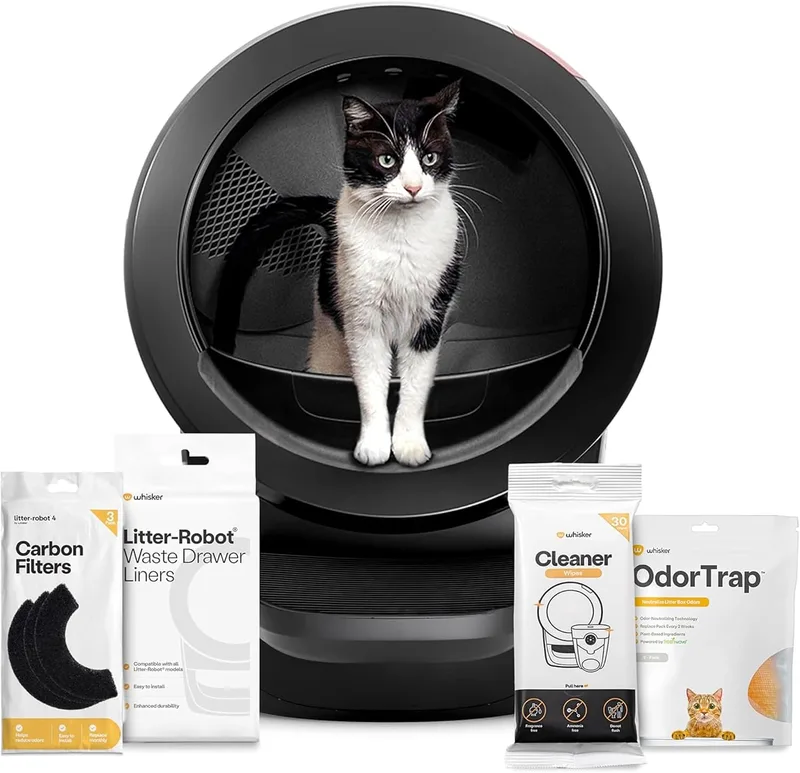
Whisker Litter-Robot 4 Supply Bundle
Self-cleaning, WiFi-connected litter box for up to 4 cats, with a starter supply kit
How to Choose Pet Care Products
Pet gear splits into two very different categories that need different buying logic: things your pet interacts with directly (grooming tools, dental tools, carriers) and things that operate automatically with your pet nearby (feeders, water fountains). For anything your pet touches directly, comfort and gentleness matter more than raw feature count — a grooming tool with three extra attachments your pet won't tolerate is worse than a simple one they'll actually let you use. For automation, reliability and fail-safes matter more than convenience features, since a malfunction happens while you're not there to notice — see our automatic litter box buying checklist for what the spec sheet doesn't tell you.
Every pet is different, and product marketing photos rarely show the range of reactions real pets have to a new tool. A calm senior dog and an anxious rescue cat need completely different approaches to the same grooming or dental routine — start slow with anything new, regardless of how the product is marketed, and be ready to return or repurpose something your specific pet won't tolerate.
On dental care specifically: at-home tools are a real, useful supplement to professional care, not a substitute for it. Dental disease in dogs and cats is common and often invisible until it's advanced, so at-home maintenance between regular vet checkups is worth doing — but it doesn't replace the vet visit itself, especially once tartar has hardened past what a hand tool can safely remove (see our Canivet ultrasonic dental kit review for one at-home option and its guarantee terms).
Sizing and fit questions (carriers, harnesses, beds) are the single most common return reason in this category. Measure your actual pet — not the breed-average size chart — including a growing puppy or kitten's expected adult size if you're buying ahead. A carrier or bed that's technically "large breed" sized can still be the wrong shape for a specific dog's proportions — and before ordering a calming or anxiety-focused bed specifically, it's worth reading real customer feedback first, not just the product photos; our Calming Dog Beds review is a case study in why that matters.
Frequently Asked Questions
Can at-home dental tools replace professional vet cleanings?
No. Scalers, dental sprays, and other at-home tools can reduce plaque buildup between cleanings, but they can't reach below the gumline the way a professional cleaning under anesthesia can. Treat at-home dental care as maintenance that extends the time between vet cleanings, not a replacement for them. Read the full guide →
How do I introduce a new grooming tool without stressing my pet?
Start with short sessions (a minute or two), let your pet sniff and inspect the tool first, and pair it with a treat or praise. Stop before your pet gets restless rather than pushing through a full grooming session on day one — a bad first experience makes every session after it harder. Read the full guide →
Are automatic feeders safe to leave unsupervised?
Most are fine for portion control once tested, but run a few supervised cycles first to confirm the dispensing mechanism doesn't jam with your specific kibble size or shape before relying on it while you're away.
What should I actually look for in a pet carrier?
Enough room for your pet to stand, turn around, and lie down comfortably; real ventilation on multiple sides, not just the front; secure closures that can't pop open under pressure; and if you'll fly with it, check the specific airline's under-seat dimension limits before buying, since they vary by carrier.