
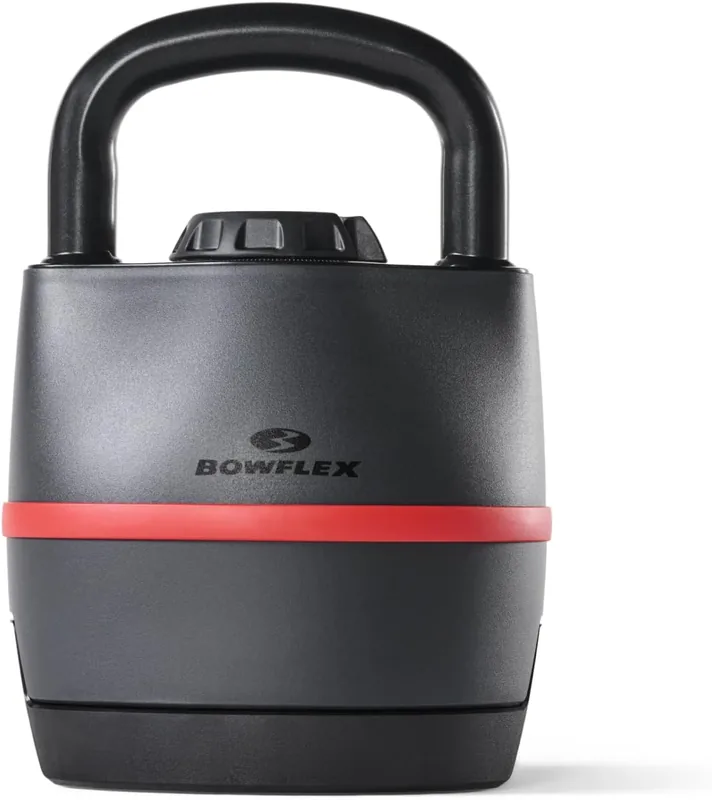
Bowflex SelectTech 840 Kettlebell
Adjustable kettlebell that replaces multiple fixed weights in one compact unit
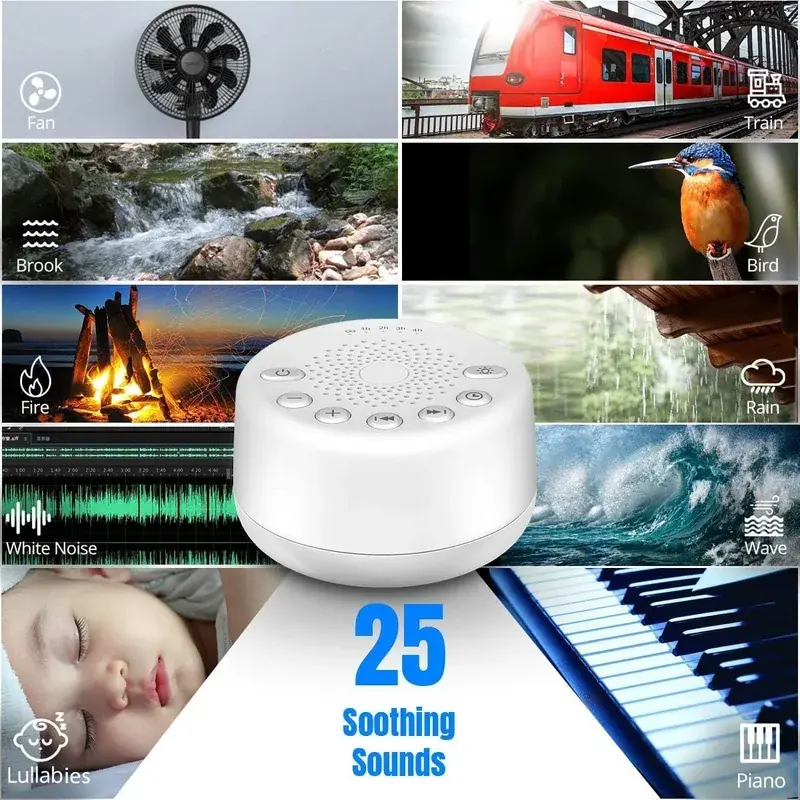
EasySleep White Noise Machine
Compact sound machine with multiple soothing tones for sleep
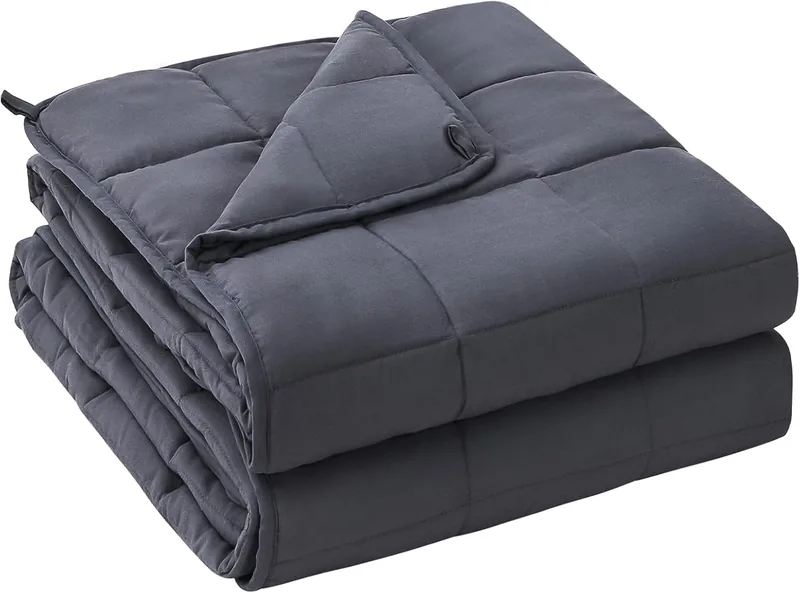
Yescool Weighted Blanket
Breathable weighted blanket for sleep comfort, multiple weight options
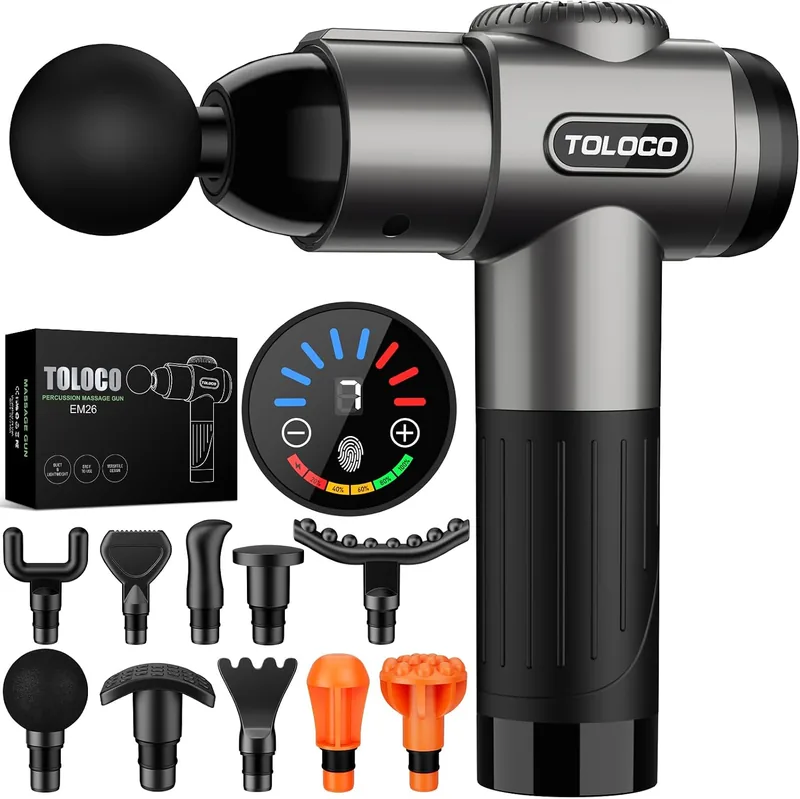
TOLOCO Massage Gun
Budget percussion massager with 10 heads and a quiet brushless motor
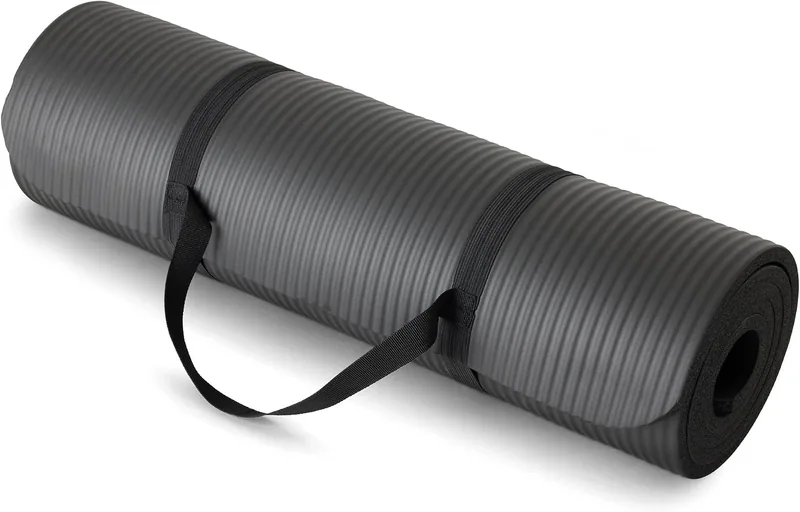
Amazon Basics Extra Thick Yoga Mat
Budget entry-level exercise mat with carrying strap for yoga, Pilates, and floor workouts
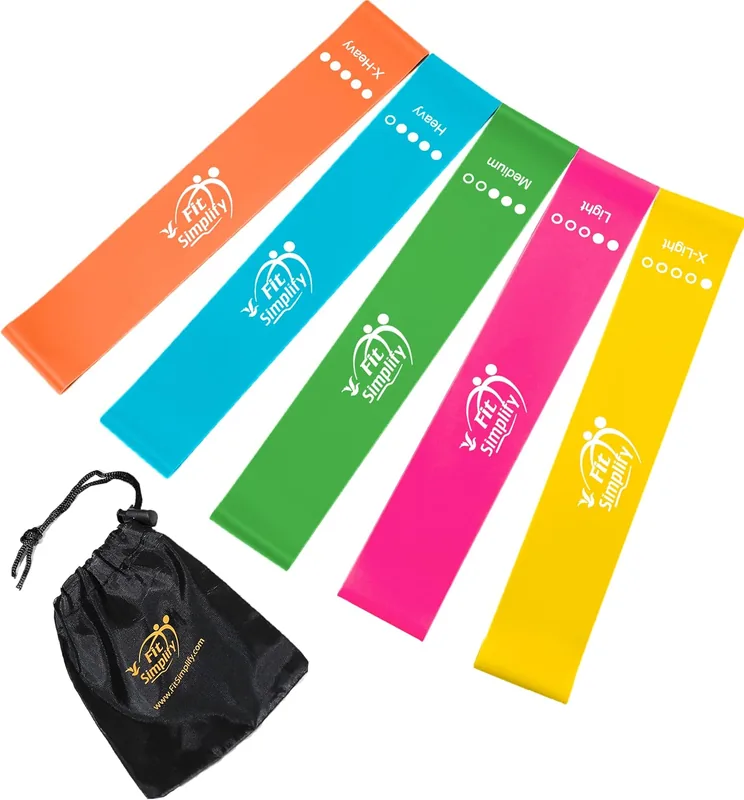
Fit Simplify Resistance Loop Bands
Set of 5 loop bands spanning light to heavy resistance for home strength and mobility work
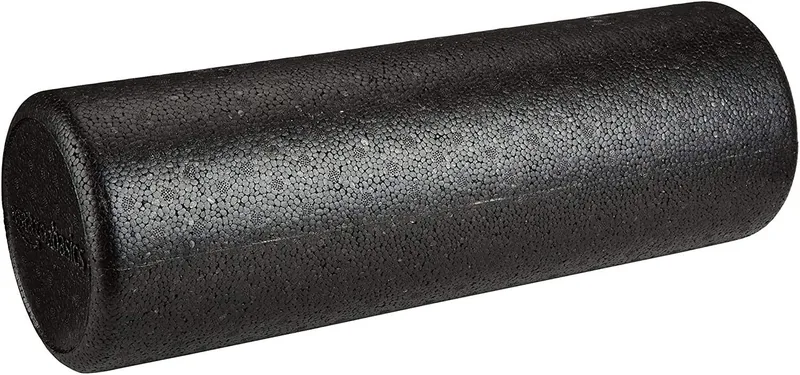
Amazon Basics High-Density Foam Roller
18-inch smooth foam roller for post-workout muscle recovery and stretching
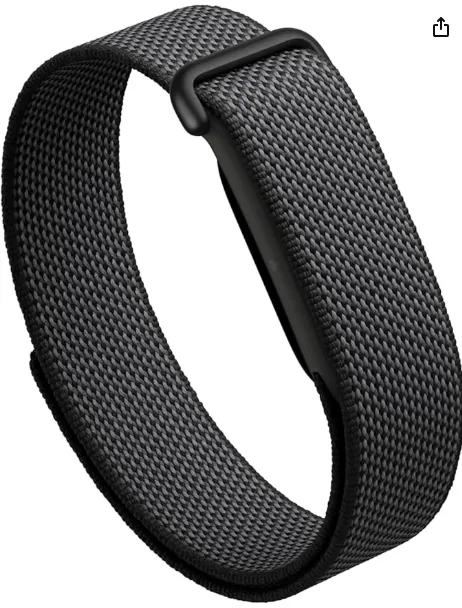
Google Fitbit Air
Screenless 24/7 fitness and health tracker with up to a week of battery life
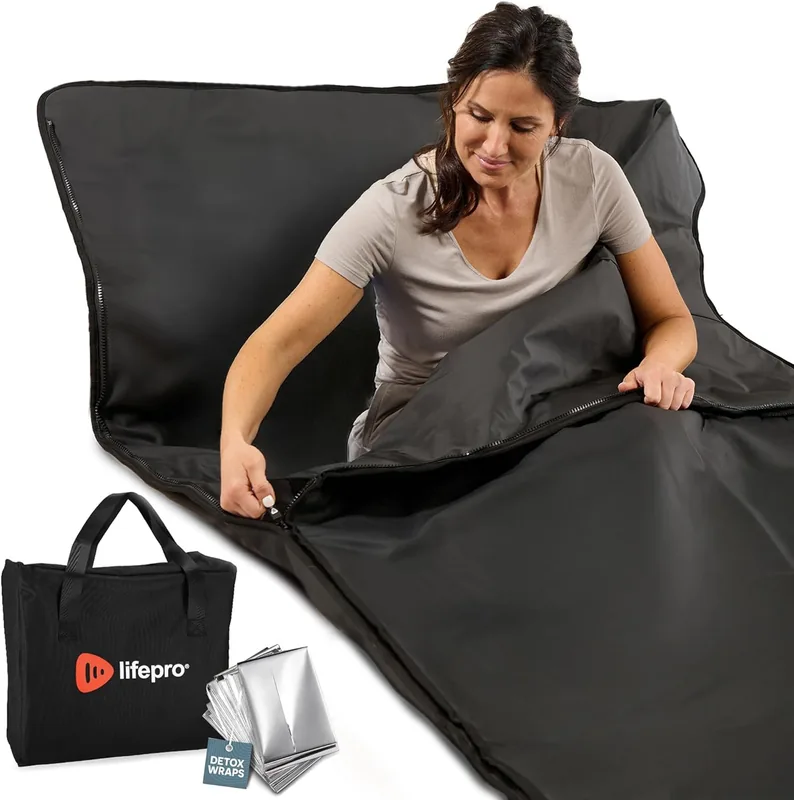
Lifepro RejuvaWrap Infrared Sauna Blanket
Low-EMF far infrared sauna blanket with 9 adjustable temperature levels
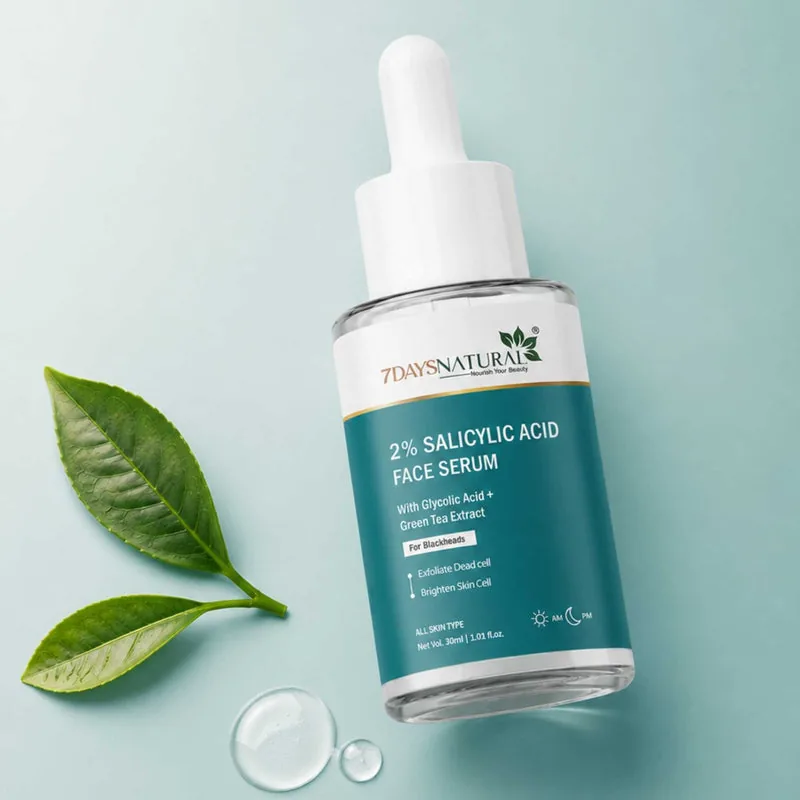
7DaysNatural
Natural skin and hair care - face creams, serums, soaps, and haircare for men and women
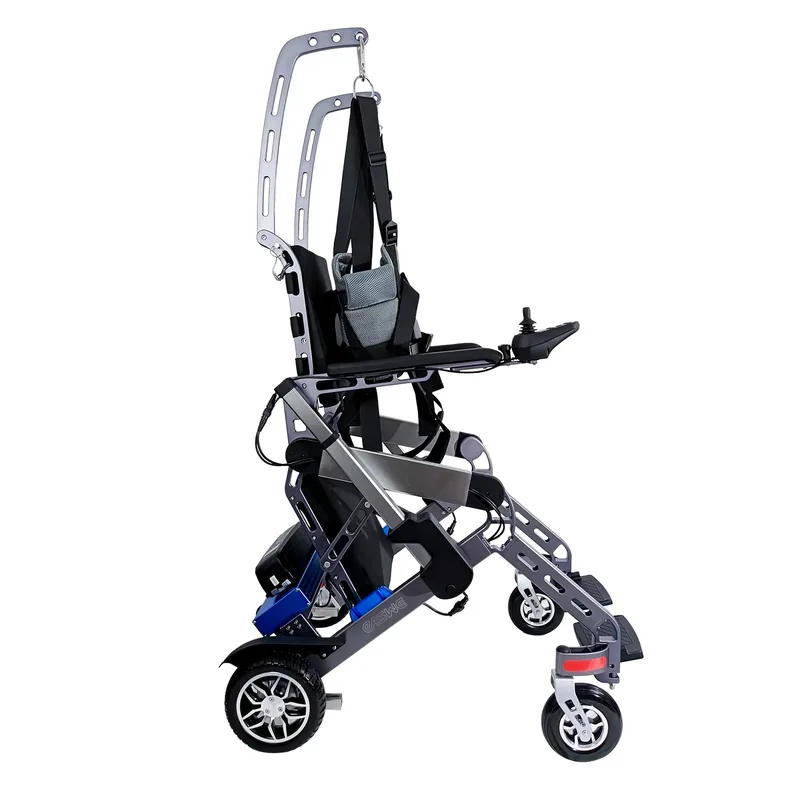
EASWE
Electric wheelchairs and mobility scooters - available in the US, UK, Australia & Denmark
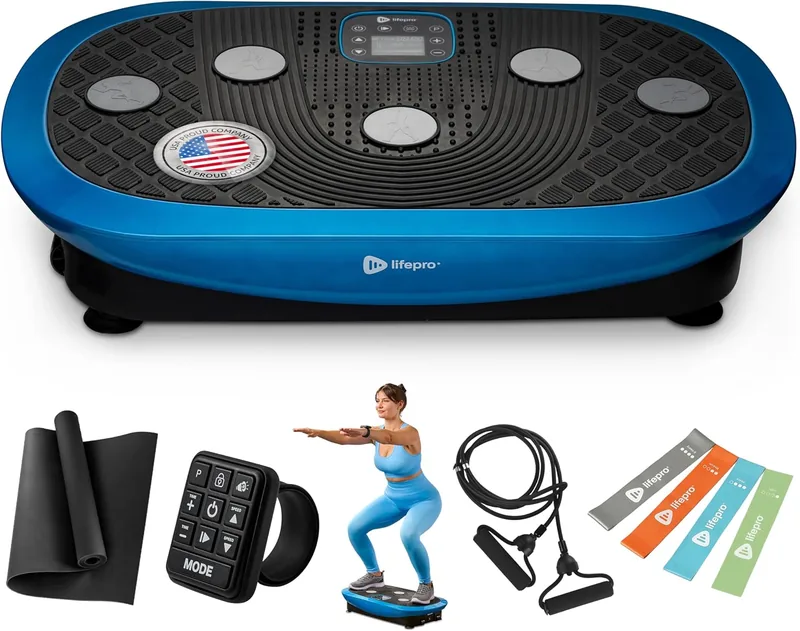
LifePro Rumblex Plus
Triple-motor 4D vibration plate for whole-body vibration training and recovery
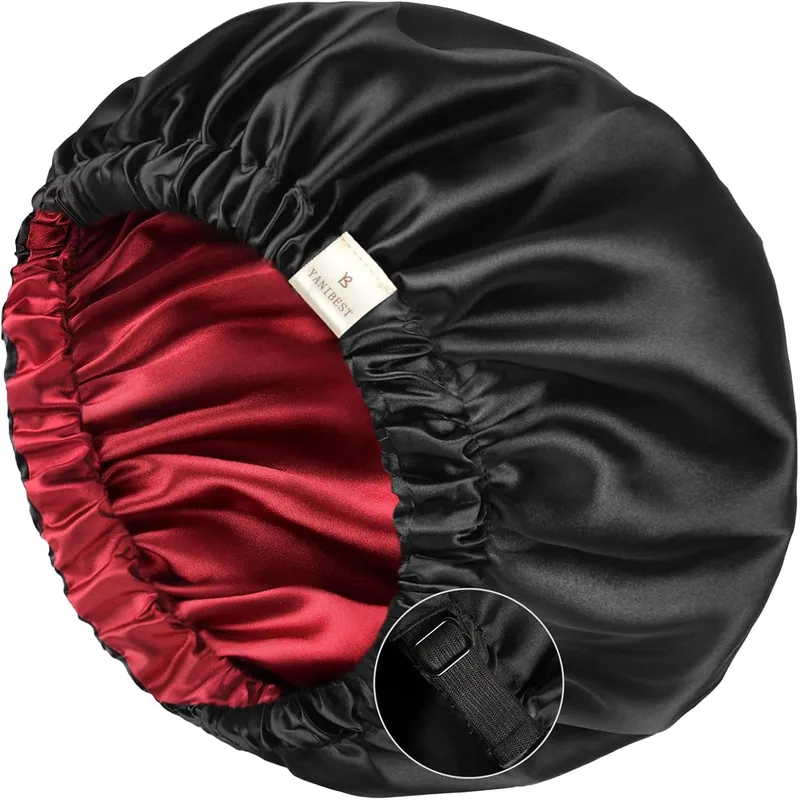
YANIBEST Satin Sleep Bonnet
Double-layer satin-feel bonnet with adjustable fit, reduces hair-pillow friction overnight

Kitmaz
Scrub tops and pants for healthcare professionals
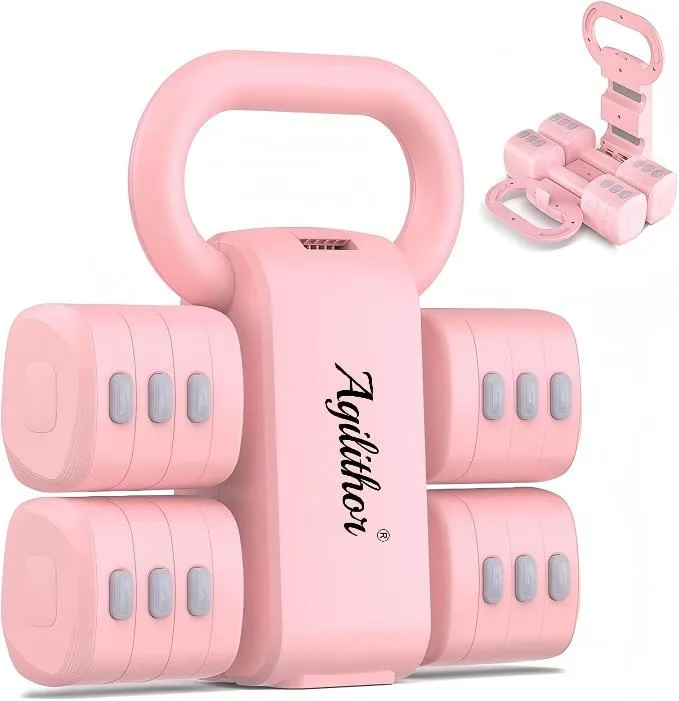
Agilithor
Space-saving home fitness gear for women - adjustable kettlebells, vibration plates, pilates boards, and foldable treadmills
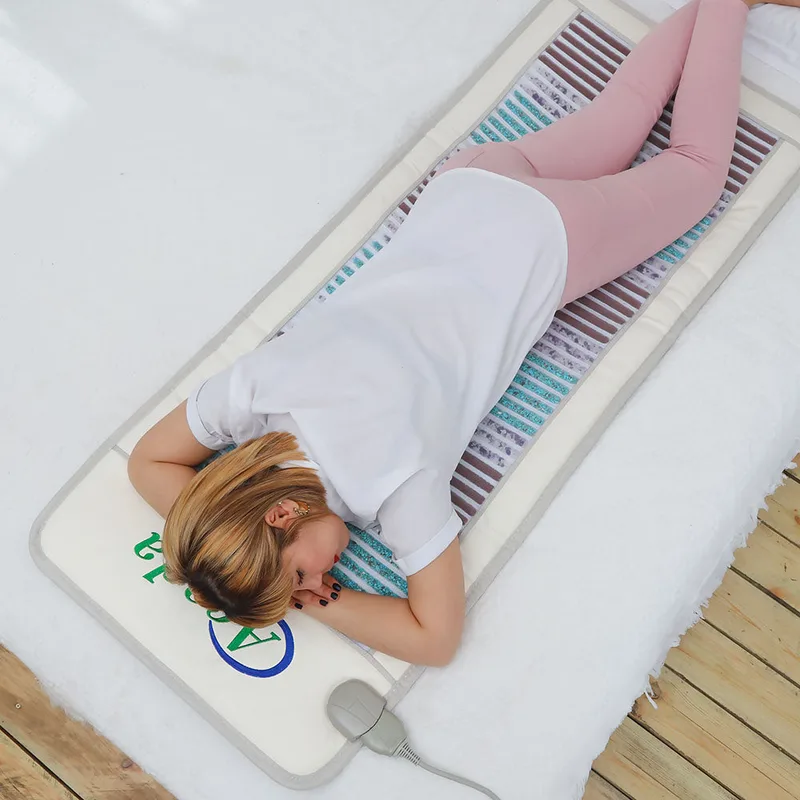
Acada Health
Gemstone infrared heating pads and mats for pain relief, better sleep, and relaxation

C Nutrition
Protein, pre-workout & recovery supplements for athletes
YANIBEST Satin Sleep Bonnet
Double-layer satin-feel bonnet with adjustable fit, reduces hair-pillow friction overnight

Holi Cosmétiques
French plant-based hair coloring and organic hair care (site in French)
LifePro Rumblex Plus
Triple-motor 4D vibration plate for whole-body vibration training and recovery
Kitmaz
Scrub tops and pants for healthcare professionals
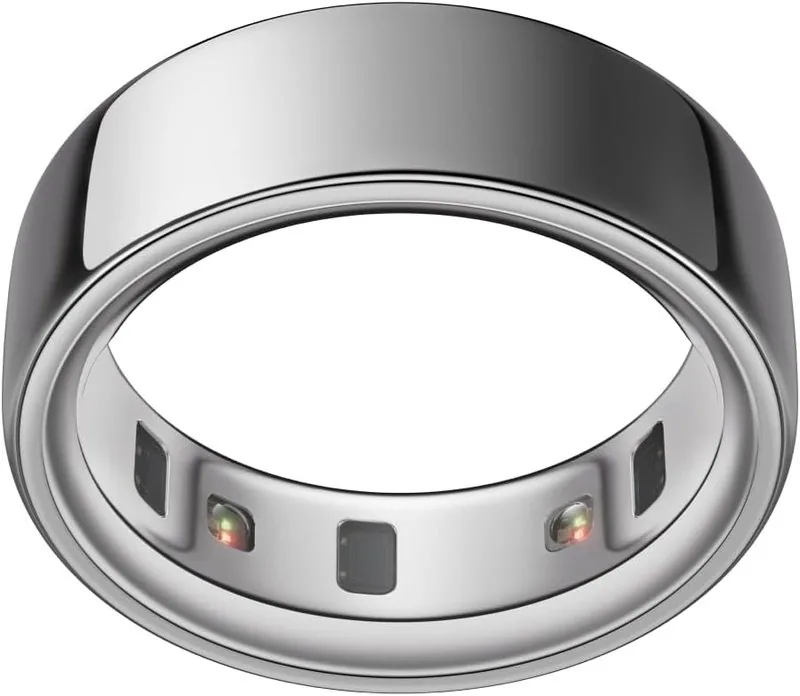
Oura Ring 4 (Silver)
Titanium smart ring tracking sleep, activity, stress, and women's health with up to 8 days of battery life
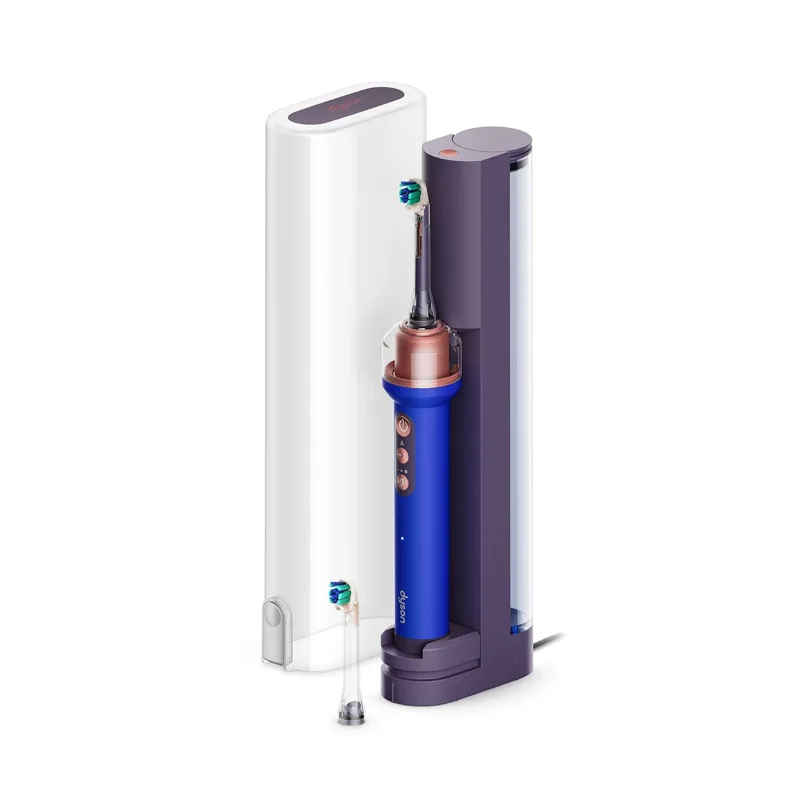
Dyson CameraJet Electric Toothbrush
Sonic toothbrush with a camera that aims a flossing jet between teeth
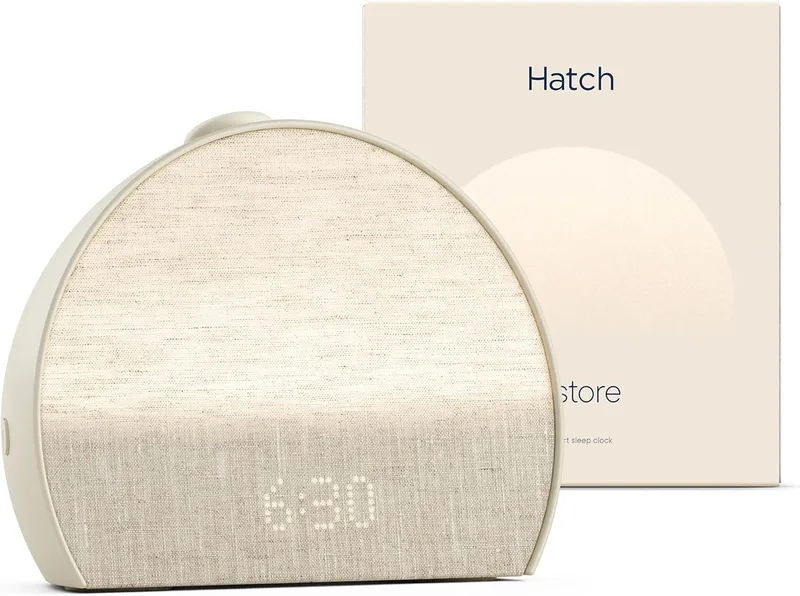
Hatch Restore 3
Sunrise alarm, sleep sounds and reading light
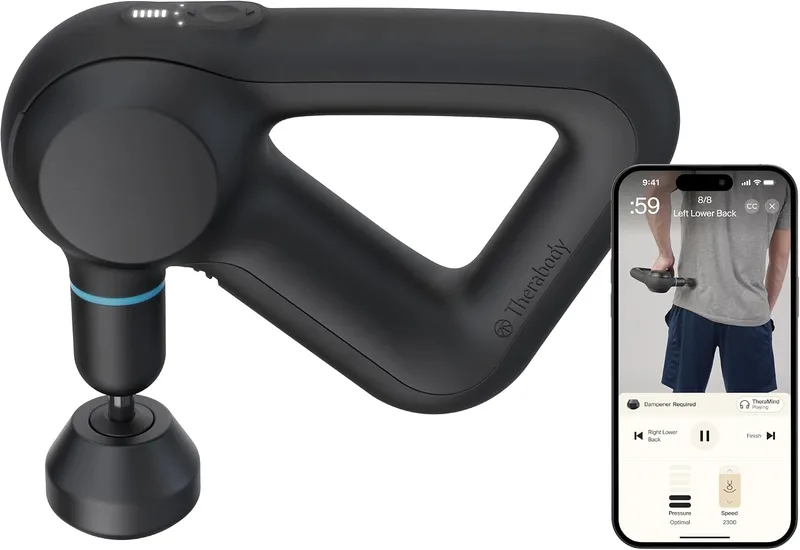
Theragun Prime (5th Gen)
Deep-tissue massage gun, triangle handle, 5 speeds
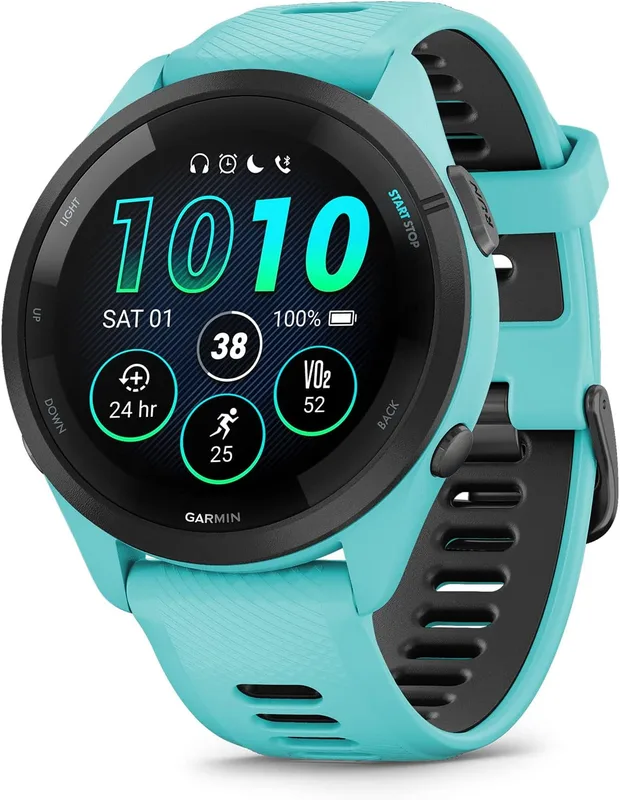
Garmin Forerunner 265 Running Smartwatch (46mm)
AMOLED running watch with training readiness, HRV status and multi-band GPS
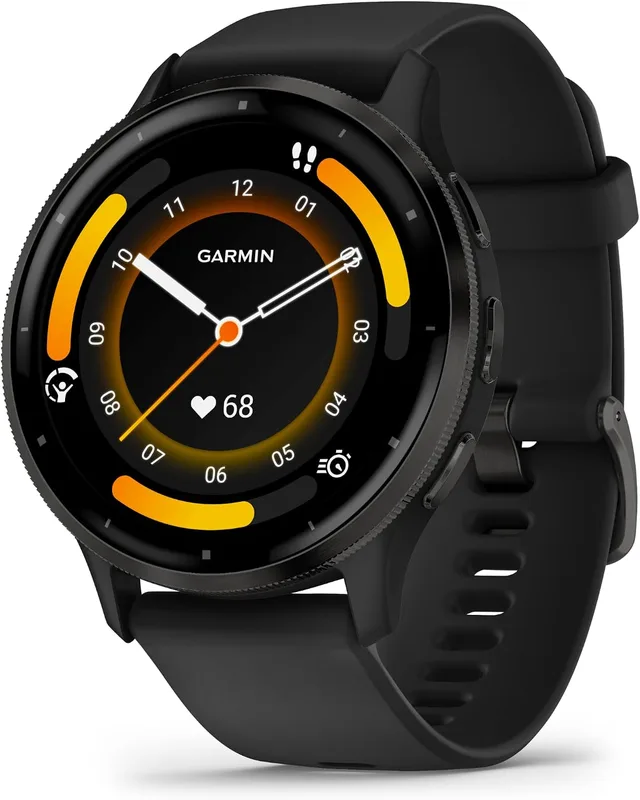
Garmin Venu 3 Fitness Smartwatch (45mm)
AMOLED fitness smartwatch with sleep coaching and up to 14 days of battery
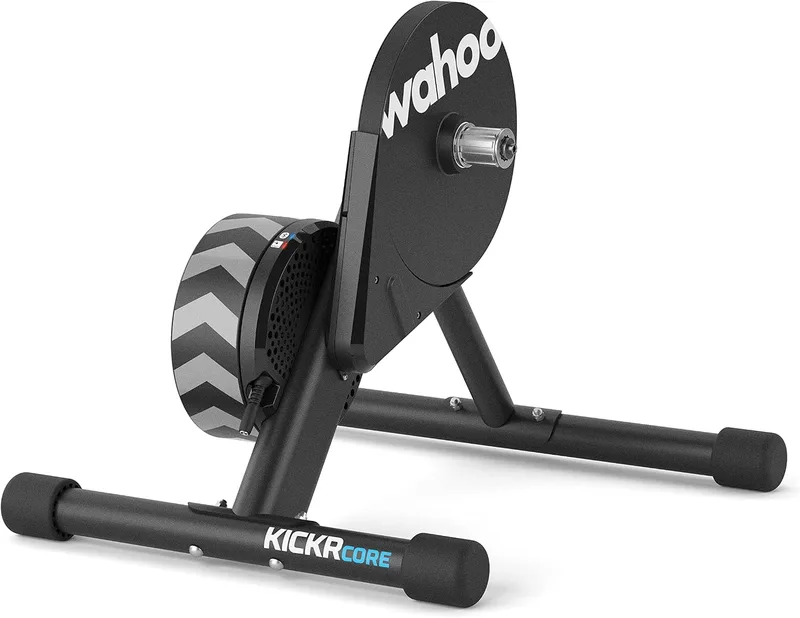
Wahoo KICKR CORE Smart Indoor Bike Trainer
Direct-drive smart trainer for Zwift and indoor cycling apps
How to Choose Health & Wellness Products
Wellness is one of the most heavily marketed product categories that exists, and also one of the hardest for an ordinary shopper to evaluate — a supplement bottle and a real medical treatment can sit on the same shelf using similar-sounding language. The single most useful habit before buying anything in this category is reading the claim, not the packaging: specific, narrow, falsifiable claims ("supports X in a study of Y people over Z weeks") are a meaningfully different thing from vague marketing language ("detoxifies," "balances," "boosts immunity") that can't really be tested or disproven. Price and influencer endorsement are not reliable signals either way — plenty of expensive, well-marketed products make claims that don't hold up, and plenty of cheap ones are perfectly honest about what they do and don't do. Our Acada Health review is a real example of separating a genuine Trustpilot rating (warmth and comfort, well-established) from a specific marketing claim (gemstone "negative ion" therapy) we couldn't independently verify.
For fitness equipment specifically, the buying decision splits cleanly on one question: will you actually use this in three months? Novelty gadgets and trend-driven gear (whatever this year's viral home-workout tool is) have a well-documented pattern of heavy initial use followed by abandonment — a budget version is the financially sensible first purchase, since the cost of guessing wrong is low. Equipment that bears real physical load and that you'll use for years if the habit sticks — a squat rack, an adjustable bench, a treadmill you'll run on several times a week — is where paying more for a stable, well-reviewed build is worth it, because failure modes (a rack tipping, a belt shredding) are a genuine safety issue, not just an inconvenience. An adjustable kettlebell is one example of this trade-off working in the other direction — a single unit that replaces a full rack of fixed weights, worth the higher upfront cost specifically because it's the kind of load-bearing gear you'll still be using years in if the habit sticks. Agilithor's space-saving equipment line applies the same logic to small apartments specifically — see our review for confirmed pricing and what we couldn't independently verify. For mobility equipment rather than fitness gear, our EASWE electric wheelchair review covers a different kind of "you'll use this every day" purchase, where reliability matters even more.
Wearables and trackers (fitness bands, smartwatches, sleep trackers) are useful for a narrower job than most marketing implies: spotting trends in your own behavior over time, not delivering clinically precise numbers. A tracker that says you slept 15% better this week than last week is meaningful even if the absolute sleep-stage numbers aren't lab-grade accurate — the trend is the useful part, not the decimal point. Don't buy a consumer wearable expecting medical-device precision, and don't use one to self-diagnose a real health concern. The same patch-test-first caution applies to topical natural-ingredient skincare — see our 7DaysNatural review for what's actually in a turmeric- and botanical-oil-based routine before trying something new on your skin.
On sleep products specifically (mattresses, white-noise machines, weighted blankets, light-based wake devices): these can genuinely support a healthy sleep routine, but they're comfort-and-convenience purchases, not treatments. A trial period and real return policy matter more here than almost any spec sheet, because sleep-product fit is intensely personal — what works for one person's preferred sleep position or noise sensitivity can be useless for someone else. If sleep problems are persistent rather than occasional, that's a conversation for a doctor, not a shopping decision.
Finally, a practical red-flag checklist that applies across the whole category: be skeptical of "proprietary blend" labeling that hides actual ingredient amounts, subscription models that make cancellation deliberately hard to find, before/after photography without any disclosed methodology, and any product whose main evidence is testimonials rather than published data. None of these automatically mean a product is bad — but they're exactly the signals worth checking before, not after, you buy.
Frequently Asked Questions
Do fitness trackers and wearables need to be medically accurate to be useful?
Not necessarily. Most consumer wearables are validated for trends (are you moving more this month than last) rather than clinical precision (exact calorie burn or heart-rate accuracy during intense exercise). They're useful for motivation and pattern-spotting; they're not a substitute for medical-grade equipment if you actually need precise numbers for a health condition.
How do you tell a legitimate wellness product from marketing hype?
Watch the claim, not the packaging. Specific, narrow claims backed by a cited study are a good sign; vague words like "detox," "boosts immunity," or "balances hormones" with no mechanism explained are a red flag regardless of price or how many influencers endorse it. A legitimate product can usually explain in plain language what it does and why, without hiding behind proprietary-blend language.
Is expensive gym equipment worth it over budget alternatives?
Sometimes, but not automatically. For equipment you'll use daily and that bears real load (adjustable dumbbells, a squat rack, a treadmill belt), spending more on a stable, well-reviewed build usually pays off in safety and longevity. For equipment you might abandon in three months (most novelty gadgets), a budget option is the smarter first purchase — upgrade only after the habit sticks.
Should sleep or wellness products replace seeing a doctor?
No. Sleep trackers, white-noise machines, and similar products can support a healthy routine, but persistent sleep problems, pain, or other symptoms are a medical question, not a shopping question. Nothing on this page is medical advice — see a qualified professional for anything beyond general comfort and convenience products.