"Dishwasher safe" is one of the most skimmed phrases on a product box, right up until the finish comes off a pan or a plastic lid warps in the top rack. The phrase is doing real work — it's just not the work most people assume.
The label describes a test, not your machine
"Dishwasher safe" almost always means a manufacturer ran the item through a standardized number of cycles under specific conditions — a defined water temperature, a defined detergent type, a defined rack position — and it held up. It doesn't mean it will hold up in your dishwasher, which may run hotter, use a different detergent formula, or have a heated dry cycle the item was never tested against. The label is a pass on their test, not a promise about yours.
"Safe" and "recommended" are different claims
Manufacturers are usually careful to keep these separate, even when the packaging design blurs them. "Dishwasher safe" means it generally won't break, crack, or become unsafe to use. It says nothing about whether repeated dishwasher cycles will dull a non-stick coating, cloud glassware, or loosen a glued handle over time — cosmetic and lifespan effects that a one-time safety test isn't designed to catch. A product can be truthfully labeled safe and still look noticeably worse after a year of dishwasher use than the same product hand-washed.
The fine print usually lives one level down
The qualifiers that matter are often in the manual, not on the box: "top rack only," "no heated dry," "not recommended for daily use." Skipping these doesn't void the manufacturer's safety claim — the item likely still won't shatter — but it can void a warranty claim if the item degrades faster than expected and the fine print said otherwise. If you're deciding whether to run something through the dishwasher regularly, the manual's care section is worth thirty seconds more than the sticker.
Some labels are worth more scrutiny than others
Not every care label carries equal weight. A safety-relevant label — "microwave safe," "BPA-free," "dishwasher safe" on something with electronics or a battery nearby — is usually backed by an actual standardized test, because the liability for getting it wrong is real. A cosmetic label — "easy clean," "stain resistant" — is closer to marketing language than a tested claim, in the same spirit as the vague phrases we cover in our piece on marketing claims vs. facts: worth noticing, not worth trusting at face value.
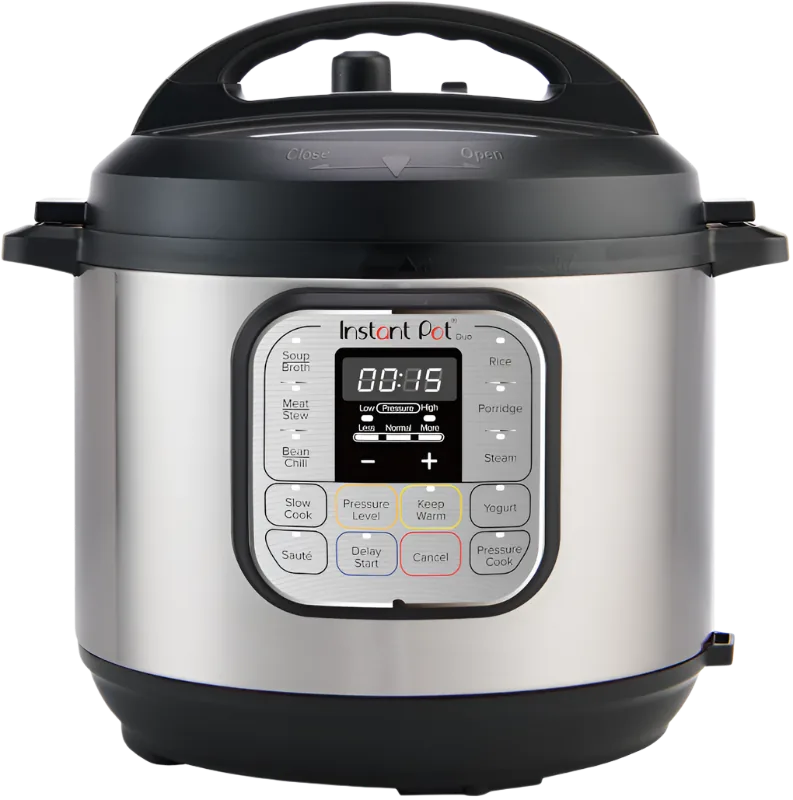
The Instant Pot Duo Mini is one example worth checking against this: its inner cooking pot is dishwasher safe in one piece, which is the exact "washed by hand in five pieces vs. one dishwasher-safe piece" distinction our Home & Lifestyle guide flags as a real predictor of how often a countertop appliance actually gets used. Still worth checking the manual for any qualifiers on the lid or accessories before running the whole unit through every cycle.
Read it before buying, not after it fails
The practical takeaway isn't to distrust every care label — it's to read them as a narrow, literal claim rather than a broad guarantee. Before buying something you plan to run through the dishwasher regularly, check whether the label is a plain "dishwasher safe" or a qualified one ("top rack, no heat dry"), and treat the qualified version as the manufacturer telling you exactly how to keep your warranty intact. That's a more useful signal than the sticker alone, and it's the same standard we hold ourselves to when we note testing conditions on our own Home & Lifestyle picks rather than repeating a label without checking what it covers.