
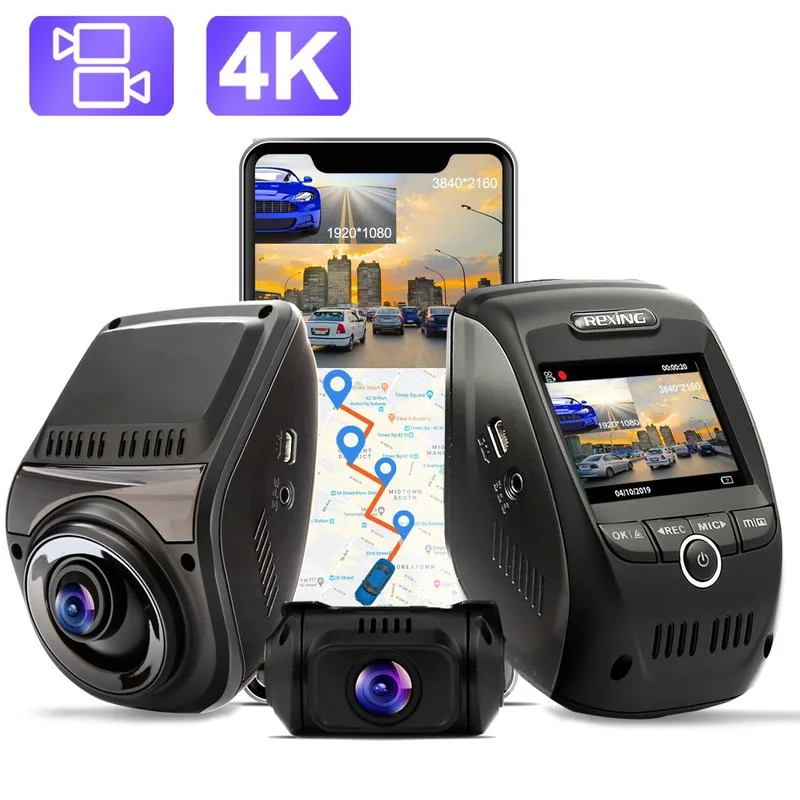
Rexing V1P MAX
4K UHD dual-channel dash cam with built-in GPS and WiFi
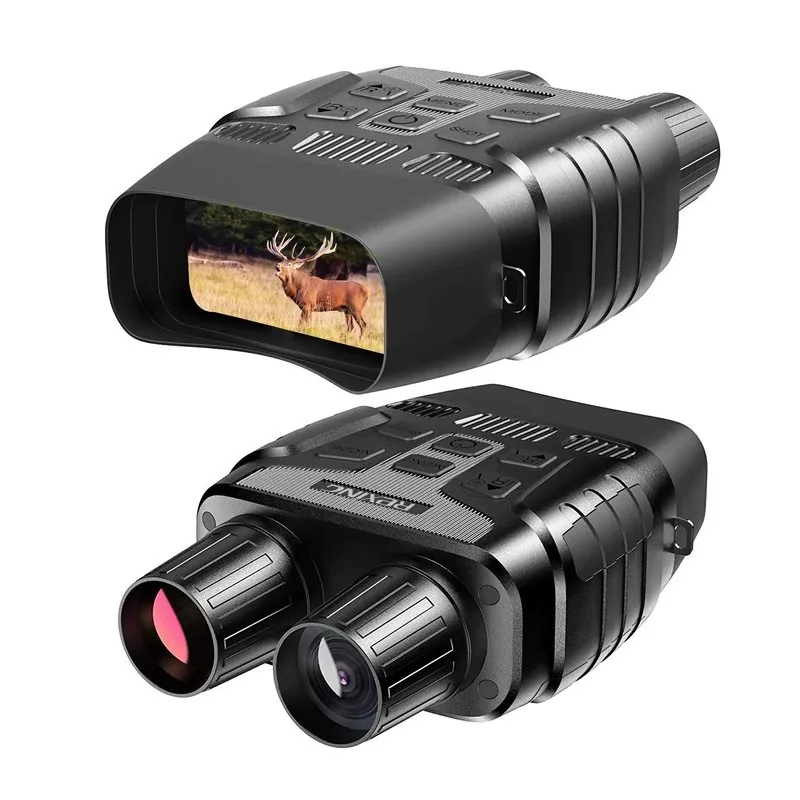
Rexing B1 Night Vision Binoculars
IR digital night vision goggles with dual photo and video recording
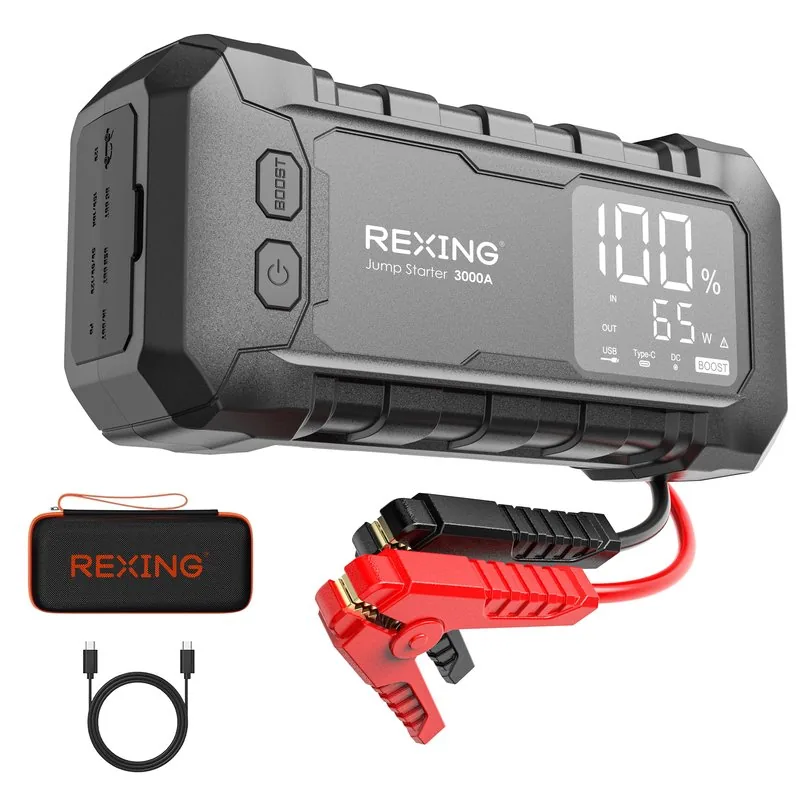
Rexing 3000A Jump Starter
20000mAh portable car battery booster with built-in LED light
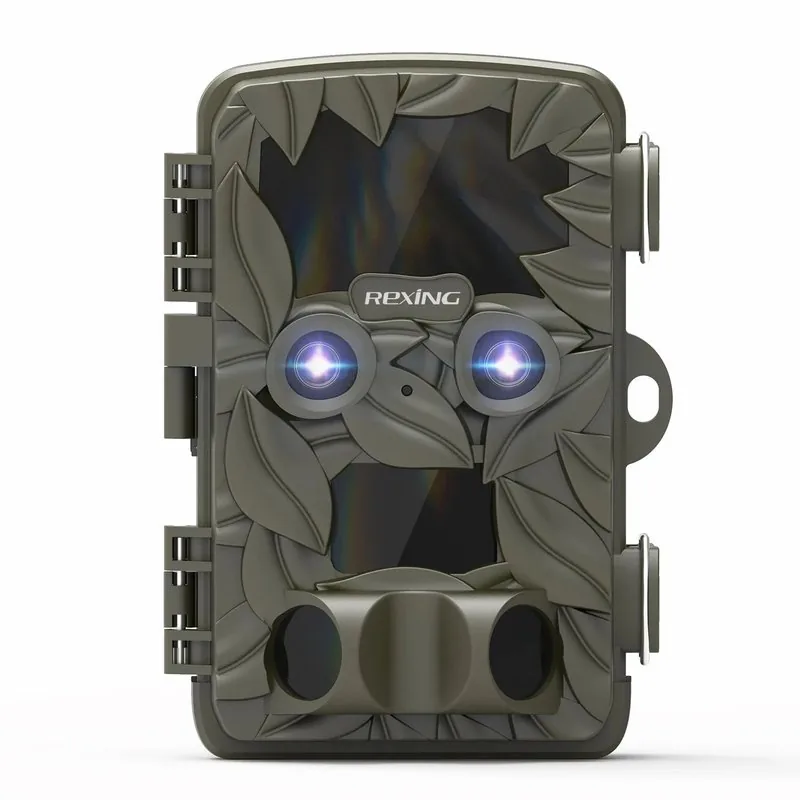
Rexing H6 Trail Camera
Dual-camera 4K+2.7K trail camera with night vision for hunting and wildlife

Rexing SDB1 Smart Doorbell
1080p wireless video doorbell camera with a 2-year warranty
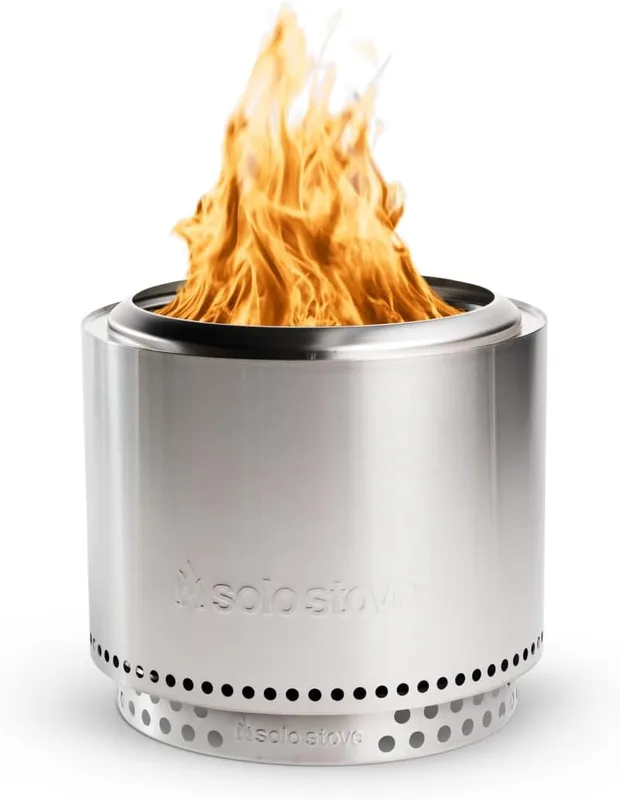
Solo Stove Bonfire 2.0 with Stand
19.5-inch smoke-reducing wood fire pit
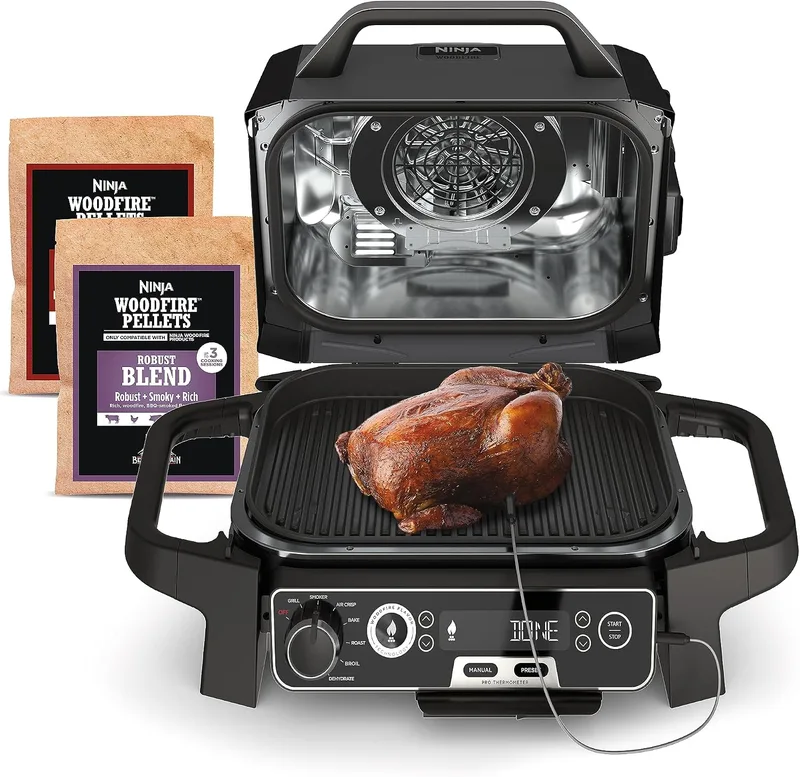
Ninja Woodfire Pro Outdoor Grill OG751
Electric outdoor grill, smoker and air fryer with real wood-pellet flavor
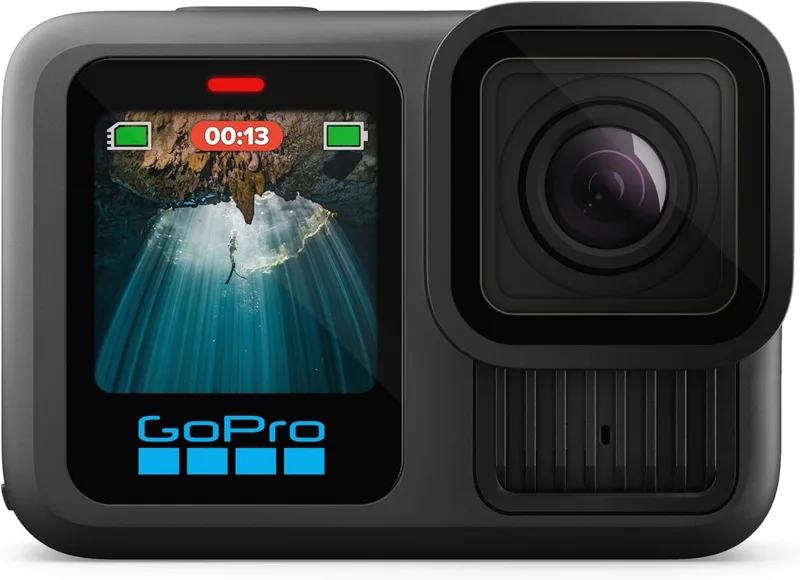
GoPro HERO13 Black Action Camera
Waterproof action camera with 5.3K60 video and HB-Series lens support
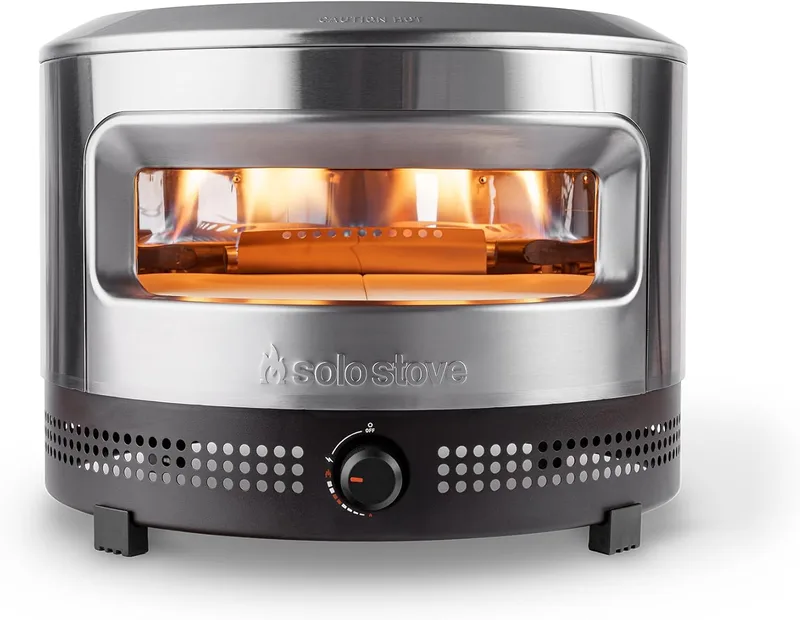
Solo Stove Pi Prime Propane Pizza Oven
Portable propane pizza oven that heats to 950°F
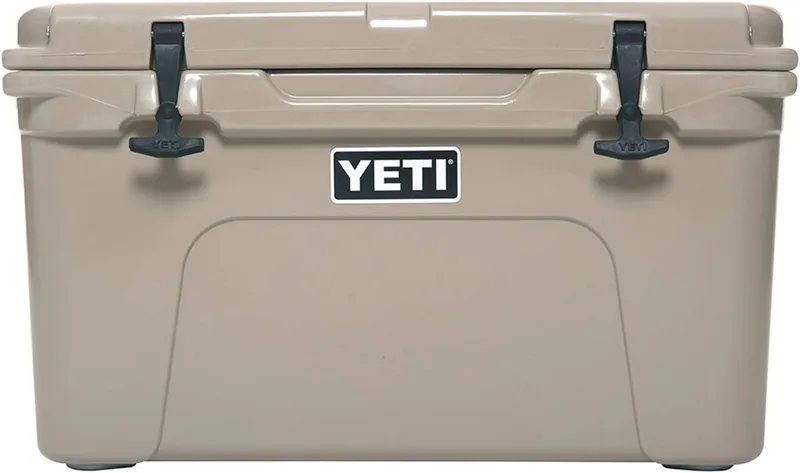
YETI Tundra 45 Hard Cooler
Rotomolded hard cooler built for long ice retention and rough use
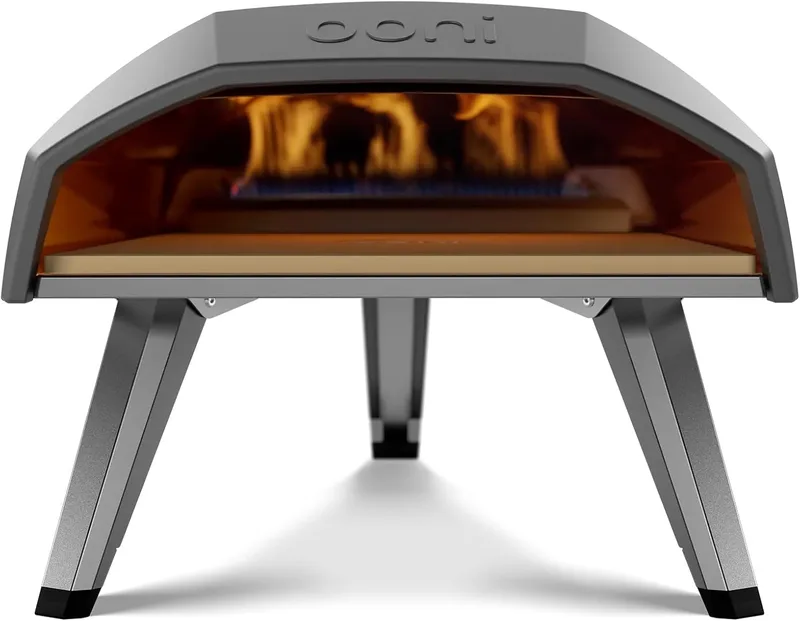
Ooni Koda 12 Gas Pizza Oven
Portable propane pizza oven that reaches 950°F and cooks pizza in 60 seconds
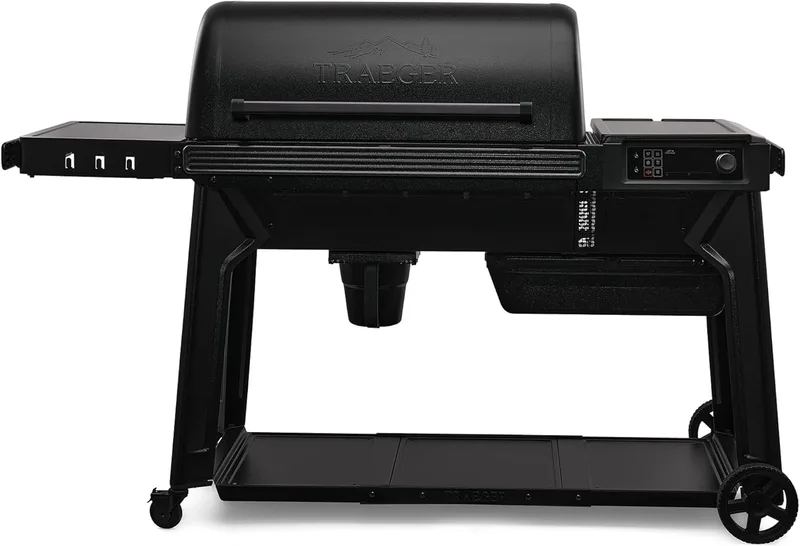
Traeger Woodridge Pro Wood Pellet Grill & Smoker
970 sq in WiFi pellet grill and smoker with Super Smoke mode
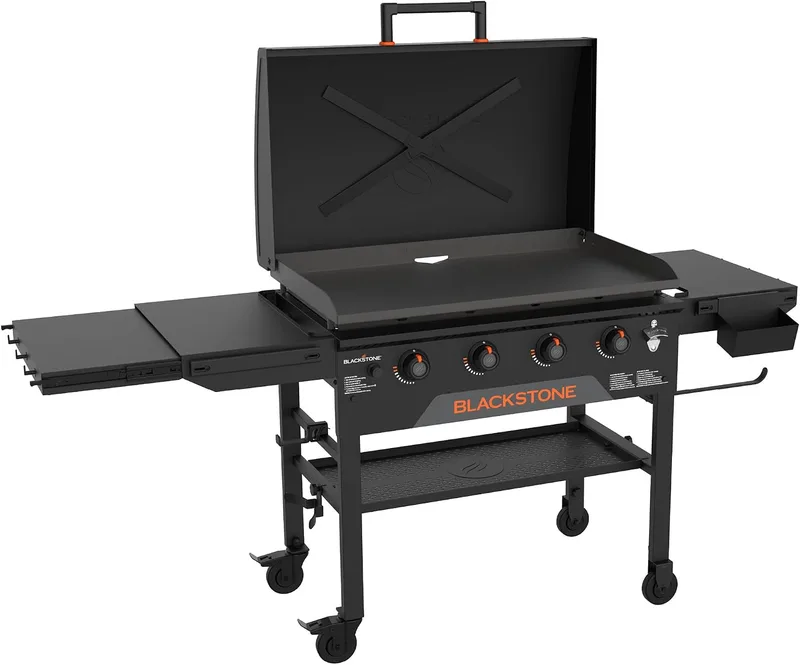
Blackstone Original 36″ Griddle with Built-In Hood
36-inch outdoor flat-top griddle with a built-in hood, side shelves and wheels
How to Choose Dash Cams, Night Vision, and Roadside Gear
This category covers four genuinely different jobs — recording your drive, seeing in the dark, jump-starting a dead battery, and monitoring wildlife unattended — so the right spec to prioritize depends entirely on which job you're buying for, not on which product has the most bullet points.
Dash cams: resolution matters most at the moment you actually need the footage. 1080p is fine for general incident recording, but reading a license plate a few car-lengths away, especially at night, is far more reliable on 2K or 4K footage. Beyond resolution, check whether GPS logging, parking-mode monitoring, and WiFi app control are included or extra — a hardwire kit for parking mode is often sold separately and needs professional-grade cabling to your fuse box.
Night vision optics: the range printed on the box (often 300m+) assumes a best-case scenario — a large, warm target, clear air, minimal ambient light pollution. Real usable identification range is typically shorter. IR illuminator strength and sensor size matter more for actual low-light performance than the headline range number, which is closer to a marketing ceiling than a guaranteed working distance.
Jump starters: peak amperage needs to comfortably clear your vehicle's cold cranking amps (CCA), listed in your owner's manual or on the battery itself. A larger gas engine or any diesel needs meaningfully more peak amps than a small sedan — buying to the bare minimum leaves no margin on a cold morning or with an aging battery. Built-in extras like a tire inflator or USB-C fast charging add convenience but don't substitute for adequate peak amperage.
Trail cameras: manufacturer standby-battery ratings (often 6-16 months) assume low trigger frequency. A high-traffic spot that fires the shutter dozens of times a day drains batteries far faster than that headline number suggests — budget for more frequent swaps on active trails rather than trusting the standby rating as-is. Trigger speed (how fast the camera fires after detecting motion) matters more than megapixels for actually capturing fast-moving wildlife in frame.
Frequently Asked Questions
What dash cam resolution actually matters for reading license plates?
Higher resolution (2K/4K) helps most at the exact moment you need it — freezing a frame to read a plate on a moving vehicle. 1080p is usually fine for general incident footage, but plates a few car-lengths away or in low light are far more legible on 2K+ footage.
How far can a typical night vision device actually see?
Manufacturer-stated ranges assume ideal conditions — a large, warm-blooded subject, minimal ambient light, no obstruction. Real-world usable range is usually shorter than the marketing number.
What jump starter capacity do I actually need for my vehicle?
Peak amperage needs to comfortably exceed your engine's cold cranking amps (CCA), found in your owner's manual or on the battery label. Larger and diesel engines need meaningfully more headroom than a small sedan.
How long does a trail camera's battery actually last in the field?
Standby ratings assume low trigger frequency. A high-traffic trail spot drains batteries far faster than the headline standby figure implies — budget for more frequent swaps on active trails.