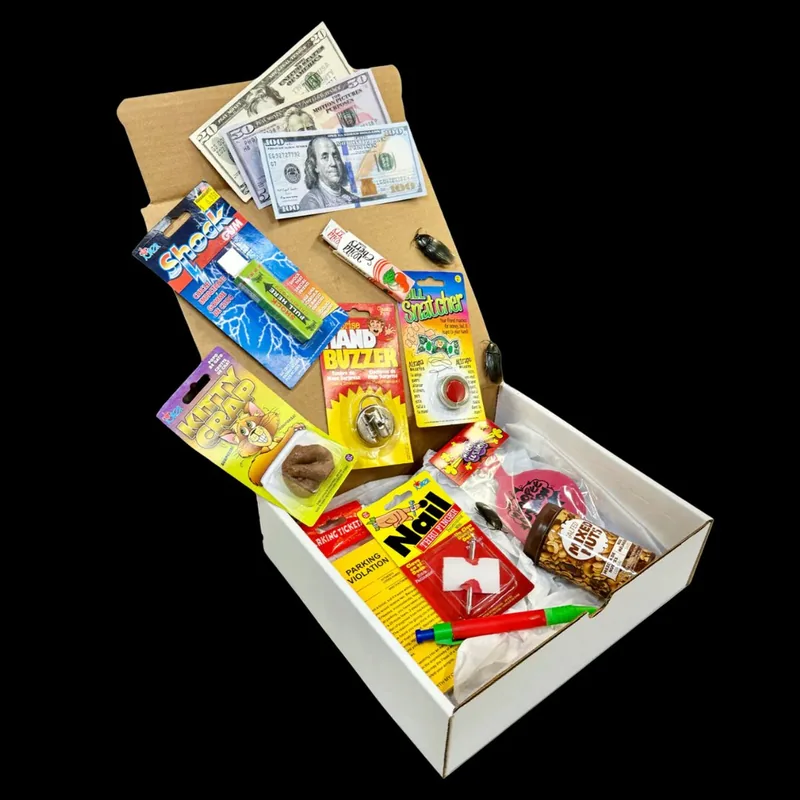
Prank product listings almost always show the same thing: someone mid-laugh, clearly in on the joke. That reaction shot is the best-case outcome, not the guaranteed one — the same prank that lands as harmless fun with one person can read as genuinely unwelcome with another, and the gap between those two outcomes has nothing to do with the product itself. It's entirely about who's on the receiving end and how it's set up.
The consent gap is the real risk, not the prank itself
A prank you'd find funny if it happened to you isn't a reliable signal that someone else will find it funny too — sense of humor, current stress level, and how well you actually know the person all shift where the line sits. The safest starting assumption in a workplace specifically is that you don't have blanket permission just because a prank is "harmless" by design; permission is closest to being real when it's someone you know well, who has reacted well to similar jokes before, and who isn't dealing with something stressful that week.
What actually crosses from funny to disruptive
Three categories reliably cross the line regardless of intent: anything that damages or risks damaging someone's property (even "reversible" damage that isn't actually reversible in practice), anything that interferes with someone's ability to do their job (hiding something they need, messing with their computer or workspace setup), and anything targeting a person who's already visibly having a hard time. None of these require malicious intent to cause real harm — they're disruptive because of the effect, not the motive behind them.
Read the room before you buy anything
The best predictor of whether a prank will land well isn't the product — it's whether you already know this specific person enjoys this specific kind of joke, and whether the timing is right. Never during a deadline crunch, a bad week, or right after they've already said no to something similar. If you're not sure how someone will react, that uncertainty is itself the answer: pick a milder option or skip it for that person.
Safer categories to start with
Desk and visual gags that are fully reversible in seconds — the classic joke-only items, nothing that requires real cleanup or takes someone's actual working time to undo — are the lowest-risk starting point, especially with someone you don't know extremely well yet. Anything that takes real time or effort to set right, or that could be mistaken for something actually wrong before the joke is revealed, belongs reserved for people you know very well and have a clearly established prank-friendly relationship with.
What to actually check before you prank someone
- Whether you know this specific person enjoys this specific style of joke — not just whether pranks in general are common in your workplace.
- Whether the timing is right — never during a deadline, a bad week, or right after a similar prank already didn't land well.
- Whether it risks property damage or interferes with someone's ability to actually do their job, even briefly.
- Whether it's fully and quickly reversible, especially if you're not 100% sure how the person will react.
The prank and gag gift collection at Abracadabra NYC spans everything from mild desk gags to more elaborate setups — the read-the-room check above matters more than which specific item you pick. See the full Gifts & Novelty buying guide for costume, magic, and gift guidance covering the rest of this category. Before you order, read our Abracadabra NYC review — sales are final, so check sizing and shipping times first.
Not every prank product carries the same risk profile discussed above. A gift-wrap gag like the Shark Tank-featured Prank-O Prank Pack is one of the lower-risk categories to start with — the "joke" is a box a real gift sits inside, fully reversible the moment it's opened, rather than anything that risks property or interferes with someone's actual work.
The takeaway
A prank's success has almost nothing to do with how funny the product looks in a listing photo and almost everything to do with whether you actually know the person will enjoy it. When in doubt, pick the milder, faster-to-reverse option — a prank that misfires costs more in an ongoing relationship than a slightly-less-elaborate one that lands well ever saves.