
Google Fitbit Air Review 2026: Is It Worth It?
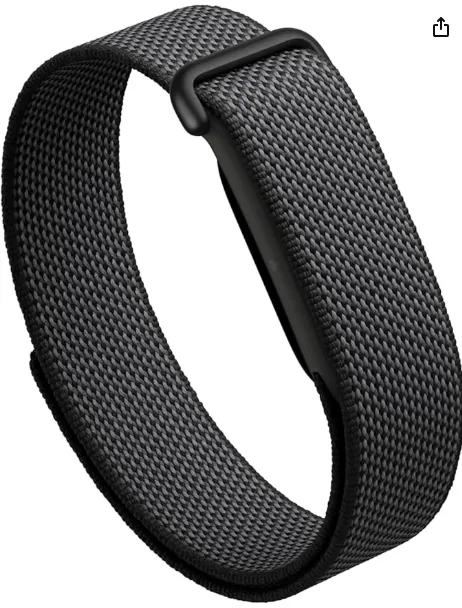
Google Fitbit Air
Screenless 24/7 fitness and health tracker with up to a week of battery life
↑ Affiliate link — we may earn a commission at no extra cost to you
Table of Contents
What Is Google Fitbit Air?
Google Fitbit Air is Google's entry-level, screenless health and fitness tracker, launched in 2026 as the first Fitbit hardware built specifically for the Google Health app rather than the standalone Fitbit app. There's no display at all — the tracker itself is a small "pebble" that clicks into whichever band you're wearing, so the same sensor unit moves between a bracelet, a workout band, and a dedicated sleep band without needing a separate device for each. It pairs over Bluetooth with Android 11+ or iOS 16.4+ and leans on the phone app for anything you'd normally glance at a screen for.
How We Picked This
This isn't a hands-on test writeup. We picked the Fitbit Air by checking Google's own published specs against our Health & Wellness buying guide's point that wearable trackers are worth it mainly for people who'll actually keep wearing them — a screenless design removes one common reason people stop (screen glare, extra notifications, charging fatigue from a bigger battery draw). We weighed that against Amazon's aggregate verified-purchase rating (4.3 out of 5 across 1,776 ratings, and the #1 New Release in Electronics & Gadgets at the time of writing). This is disclosed research, not the multi-week in-use testing we run when it's practical — see how we research products.
Key Features
Three things stand out from Google's own spec sheet for the Fitbit Air.
Screenless, Swappable Design
The tracker "pebble" clicks in and out of interchangeable bands — bracelet, workout band, sleep band — so you change how it looks and feels without buying a second device. With no screen to glare at during a workout or light up at 3am, it's built to disappear on your wrist rather than compete for attention the way a smartwatch does.
Up to a Week of Battery Life
Google rates it for up to seven days per charge, with a fast-charge feature that gets a full day of use from just five minutes plugged in. That's the trade-off for having no screen: less power draw, less charging friction.
24/7 Health Sensor Suite
Beyond step counting, it tracks heart rate continuously, SpO2 (blood oxygen), heart rate variability, breathing rate, skin temperature variation, and resting heart rate, and it's water resistant to 50 meters. All of it feeds into the Google Health app, which includes Gemini-built adaptive coaching — a 3-month Google Health Premium trial is bundled with the tracker, after which the coaching features sit behind a paid subscription.
What Amazon Buyers Say
As of writing, the Fitbit Air (Obsidian) holds a 4.3-out-of-5 average across 1,776 Amazon ratings, with over 10,000 units bought in the past month and a #1 New Release badge in Electronics & Gadgets. We didn't generate this number ourselves; it's Amazon's own aggregate verified-purchase data, visible on the product listing linked below. A strong average at this volume, on a device that only launched in 2026, is a reasonable proxy for "most early buyers didn't return it or regret it," though it doesn't replace independent long-term durability testing of the band mechanism or sensors.
Where to Buy Google Fitbit Air
The standard Obsidian and Berry colorways both list at $99.00 through Amazon and the Google Store; a Stephen Curry special edition (Rye colorway) is priced higher. Confirm which color/edition you're looking at before buying — the special edition is a different SKU, not just a different band color.
| Retailer | Price | Shipping | Notes |
|---|---|---|---|
| Amazon | $99.00 | Varies by delivery location | Obsidian colorway, standard edition |
Google Fitbit Air Pros & Cons
Pros
- Screenless design swaps cleanly between bracelet, workout, and sleep bands
- Up to a week of battery life, with a 5-minute fast charge for a full day
- Broad 24/7 sensor suite: heart rate, SpO2, HRV, breathing rate, skin temperature
- Strong early Amazon track record — 4.3/5 across 1,776 ratings, #1 New Release
Cons
- No screen — you need your phone nearby to actually see stats in the moment
- Full Gemini-coaching features require a Google Health Premium subscription after the 3-month trial
- Bands are Fitbit Air-specific — older Fitbit straps won't fit it
Who Should Buy Google Fitbit Air?
Anyone who wants continuous health and sleep tracking without a screen adding notifications or distraction to their day — it fits the "wearable you'll actually keep wearing" logic from our buying guide better than a full smartwatch does for a lot of people, at less than half the price of Google's own Pixel Watch.
Google Fitbit Air is NOT right for you if: you want to glance at texts, calls, or stats on your wrist without pulling out your phone — that's what a screened smartwatch is for, and no amount of getting used to it will make a screenless tracker do that job.
Other Health & Wellness Picks
If you want a different wearable tracker or general fitness gear to pair with whatever you're tracking, here's what else we're featuring in the same category:
- Oura Ring 4 — ring-form tracker with a deeper sensor suite, at a higher price plus a required monthly membership
- Fit Simplify Resistance Loop Bands — strength work to pair with activity tracking
- Amazon Basics High-Density Foam Roller — recovery gear, unrelated category, similarly researched
Final Verdict: Is Google Fitbit Air Worth It?
For continuous, screen-free health tracking, the Fitbit Air trades the convenience of glanceable notifications for a lighter, longer-lasting, less distracting device — a fair trade if you already reach for your phone for everything else and just want the sensor data running quietly in the background. Early Amazon buyers back that up with a strong 4.3/5 across a large and fast-growing review count.
Amazon Rating: 4.3/5 (1,776 ratings)
Research-based pick, not an in-house hands-on test — see disclosure above.
Check Price on Amazon →↑ Affiliate link — we may earn a commission at no extra cost to you