"NSF certified" shows up on pitcher filters, faucet attachments, and whole-house systems alike, and the shopping instinct is to treat it as one seal meaning "this is safe." NSF/ANSI certification is real and independently tested, not marketing fluff — but it's a family of separate standards, each testing for something different, and a filter can be legitimately certified while only covering the narrowest one.
NSF/ANSI 42: aesthetic effects only
Standard 42 tests for chlorine taste and odor reduction — it's the entry-level, most common certification, and it says nothing about health-related contaminants like lead or bacteria. A filter certified only to 42 genuinely does what it claims (better-tasting, less chlorine-smelling water), but "NSF certified" on the box doesn't tell you that's the only thing it was tested for unless you check the specific standard number.
NSF/ANSI 53: health effects
Standard 53 is the one most people actually mean when they hope a filter is "doing something real" — it covers reduction of specific health-related contaminants, most commonly lead, cysts (like Cryptosporidium), and certain volatile organic compounds. Critically, a 53 certification is contaminant-specific: it's certified for whichever contaminants were actually tested, not for "health effects" as a blanket category. Two filters can both carry an NSF 53 certification while covering a different list of contaminants.
NSF/ANSI 401: emerging contaminants
This is a newer, less common standard covering "emerging compounds of concern" — trace pharmaceuticals, herbicides, and pesticides that older standards weren't designed to test for. It's usually a marketing point on premium filter lines rather than a baseline expectation, and its absence doesn't mean a filter is bad — it means that specific, narrower category wasn't part of what was tested.
Why the standard number matters more than the word "certified"
"NSF certified" alone answers almost nothing — it could mean taste-and-odor only (42), a specific list of health contaminants (53), or a narrower emerging-contaminants claim (401), and marketing copy doesn't always lead with which one. The useful habit is checking the manufacturer's own certification page (not just box copy) for the specific standard number and, for 53 specifically, the specific contaminant list it was tested against — "reduces lead" and "reduces 40 contaminants including lead" can both be true and accurate while describing very different filters.
What to actually check before buying
- Which specific standard (42, 53, 401) the filter is certified to — not just whether it says "NSF certified" somewhere on the packaging.
- For a 53 certification specifically, the exact contaminant list tested, since 53 doesn't mean "all health contaminants" by default.
- Whether your actual concern (taste, lead, a specific contaminant in your water supply) matches what the filter was actually tested for — a local water report is more useful here than the filter's marketing page.
- Filter replacement interval and cost, since a filter's certification only holds for as long as the cartridge is actually within its rated capacity.
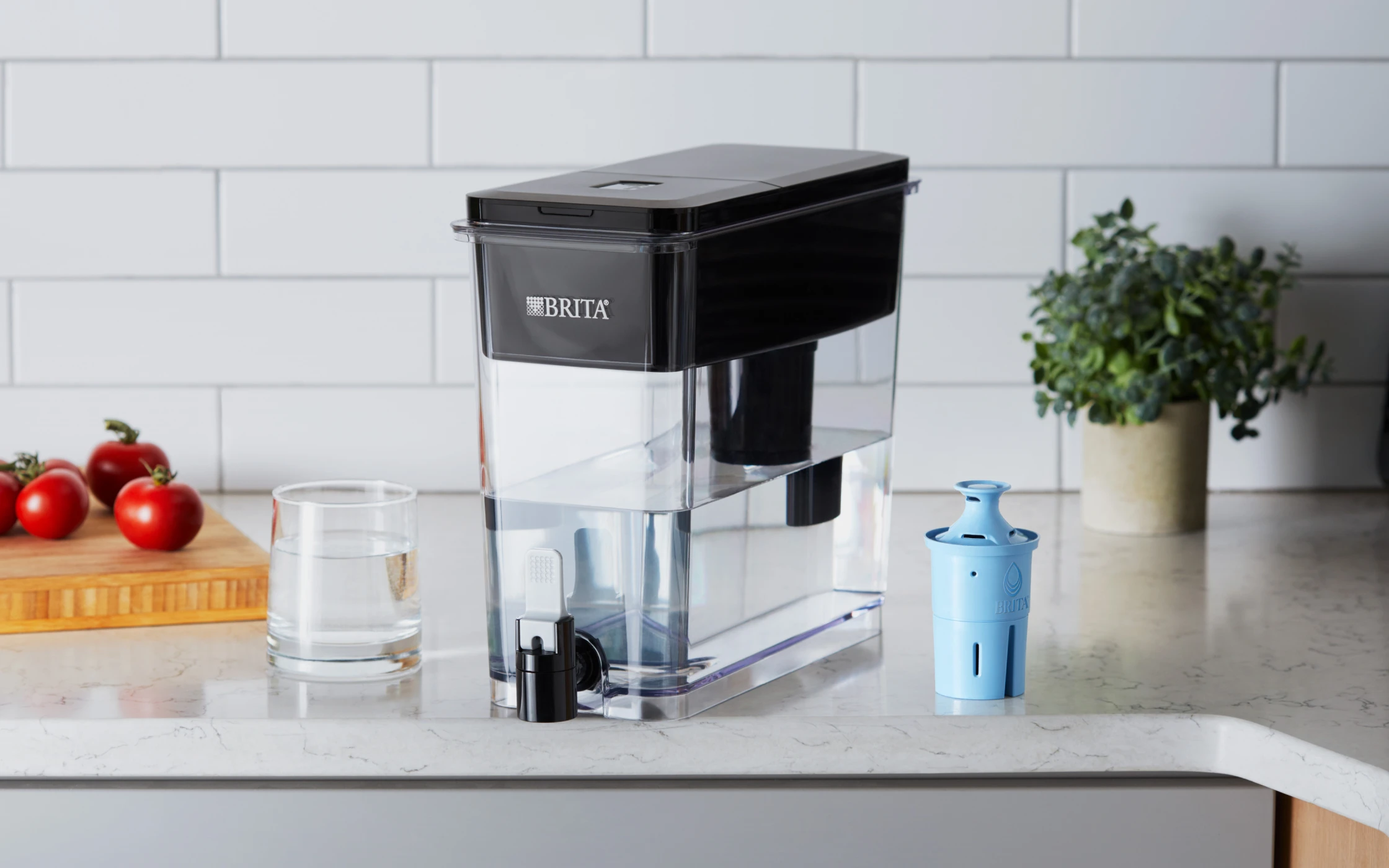
The Brita Elite dispenser is one example of a filter line marketed on a broader certification than a basic taste-and-odor pitcher — Brita's own certification page for the Elite line lists specific contaminants including lead and microplastics beyond what its standard filters cover. The standard-number question above applies the same way regardless of which specific pitcher or dispenser you're actually comparing it against — check the manufacturer's own certification page rather than assuming "certified" means the broadest possible claim.
The takeaway
NSF/ANSI certification is a real, independently verified standard worth checking for — it's not an inflated marketing seal. But "NSF certified" alone doesn't say which standard, and each standard tests a different, specific claim. Match the certification number and its exact contaminant list to what you're actually trying to filter out of your water, rather than treating any NSF mark as interchangeable with any other.