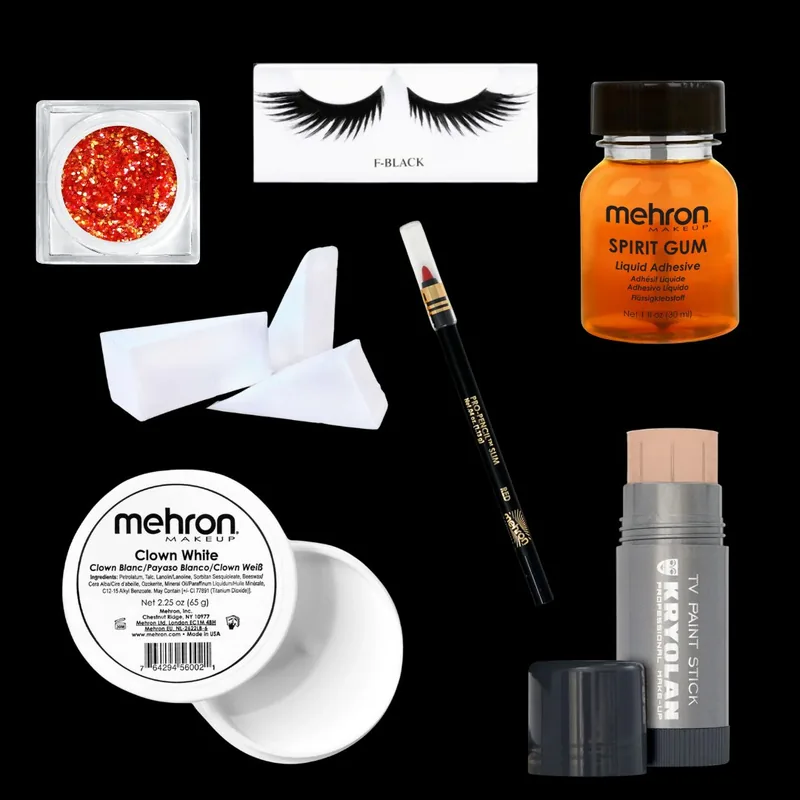
Special-effects makeup listings sell on the photo — a convincing wound, a melting-face zombie look, a scar that reads real from ten feet away. That photo tells you nothing about what the product does to your skin over the hours you'll actually wear it. "Made for skin" is a marketing phrase, not a safety certification, and the products behind the most dramatic before/after shots are often the ones that need the most caution.
"Made for skin" isn't the same as "safe for your skin"
Liquid latex, spirit gum, and cream-based wound fillers are formulated to be applied to skin, which is a real and meaningful distinction from, say, a craft-only prop material. But that's a floor, not a guarantee — individual skin reacts differently to the same product, and SFX cosmetics don't go through the same premarket testing pharmaceuticals do. Treat every new product, regardless of how many five-star reviews it has, as untested on your specific skin until you've tested it yourself.
Patch-test before it goes anywhere near your face
Apply a small amount to your inner forearm and wait 24-48 hours before full application. This is the single highest-leverage thing you can do, and it's free — it costs you nothing but a couple of days of lead time before the event. If you see redness, itching, or swelling at the test site, don't use that product on your face no matter how good the listing photos looked.
Liquid latex is a real allergen for a meaningful minority
Natural rubber latex allergy is a documented, common sensitivity — not a rare edge case. If you've ever had a reaction to latex gloves, balloons, or adhesive bandages, assume liquid latex SFX makeup carries the same risk and either patch-test with extra caution or look specifically for a latex-free alternative (several cream and gelatin-based wound products are marketed as latex-free for exactly this reason).
Check for an actual ingredients list
A listing with no visible ingredients panel and no safety or removal instructions is a worse bet than a similarly priced one that has both — not because the unlisted product is necessarily unsafe, but because you have no way to check it against a known allergen (fragrance, specific preservatives, latex) before it's on your face. Favor listings that show what's actually in the product.
Removal often causes more irritation than the product itself
Scrubbing off latex or cream-based makeup with soap, hot water, and a washcloth is the most common way people irritate skin that the product itself never bothered. Oil-based removers (baby oil, dedicated SFX remover, cold cream) lift most SFX products without the friction — check whether the listing recommends a specific removal method, and don't assume "soap and water" is safe by default just because it usually works for regular cosmetics.
What to actually check before buying
- Whether the listing shows an ingredients list — not just "safe for skin" marketing copy with nothing underneath it.
- Whether it's latex-based, and whether a latex-free alternative exists if you have any history of latex sensitivity.
- Whether removal instructions are included, and whether they call for an oil-based remover rather than plain soap and water.
- Realistic wear-time expectations — sweat, movement, and event length all shorten how long any SFX product actually holds up, regardless of "24-hour wear" claims on the packaging.
The FX makeup collection at Abracadabra NYC covers wound, scar, and full character looks — the patch-test and ingredient-check steps above apply the same way regardless of which specific product you're comparing. See the full Gifts & Novelty buying guide for sizing, mask, and wig guidance covering the rest of this category. Before you order, read our Abracadabra NYC review — sales are final, so check sizing and shipping times first.
The takeaway
SFX makeup's real risk isn't the dramatic effect it's designed to create — it's the ordinary skin-irritation risk any topical product carries, made easy to forget because the marketing is all about the visual payoff. A 24-48 hour patch test and a quick check of the ingredients and removal instructions cost you almost nothing and catch the problems that actually matter.