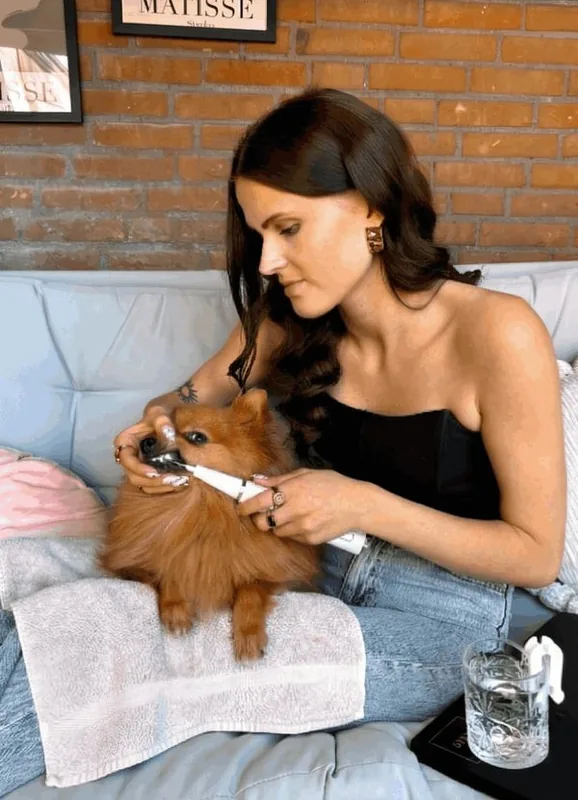
A new grooming brush, an automatic feeder, a carrier — the gear itself usually isn't the problem. How it gets introduced is. Going in with a full grooming session, a strange new feeding schedule, or a first-ever carrier ride all at once is the single most common way a genuinely good product ends up permanently associated with stress for a pet. None of this is complicated, but it is easy to skip when you're excited about something new.
Start short
A one- or two-minute session on day one, not a full routine. This applies whether it's a new brush, a nail trimmer, or getting a cat comfortable with a carrier — the goal of the first session isn't to finish the task, it's for the pet to have a neutral or positive first experience with the object itself. A short session that ends calmly is worth more than a long one that ends in a struggle, even if the long one technically "got the job done."
Let them inspect first
Before using any new tool, let your pet sniff and investigate it on their own terms — set it down nearby, let them approach it, don't force contact. An object that appeared suddenly and immediately started doing something to them (clipping, brushing, being placed in it) reads very differently than one they got to check out first. This single step prevents a lot of the startle-based resistance that makes gear introductions go badly.
Reward during, not just after
Pair the session with a treat or praise while it's happening, not only once it's over. A reward that arrives after the fact doesn't connect as clearly to the activity itself — a treat given during light brushing, for example, helps build the association that the brushing itself is fine, not just that good things happen once it stops.
Stop before restless
End the session before your pet starts pulling away, tensing up, or trying to leave — not after. Pushing through to "finish" once a pet is already uncomfortable is what turns a manageable first try into a genuinely bad experience, and a bad first experience makes every session after it measurably harder. It's better to do five good thirty-second sessions across a week than one ten-minute session that ends in a fight.
Applies to grooming tools, feeders, and carriers alike
The same four steps work regardless of what the new gear actually is — an automatic feeder your pet has never seen dispense food on its own, a carrier they've never been zipped inside, or a grooming tool touching them for the first time. The object changes; the introduction process doesn't.
See the full Pets buying guide for more on choosing the right gear before you get to the introduction stage.
The takeaway
Most gear-related stress isn't about the product being wrong for the pet — it's about the introduction happening too fast. Short sessions, letting them inspect first, rewarding during rather than after, and stopping before restlessness sets in cover the large majority of first-time introductions, regardless of what the gear actually is.